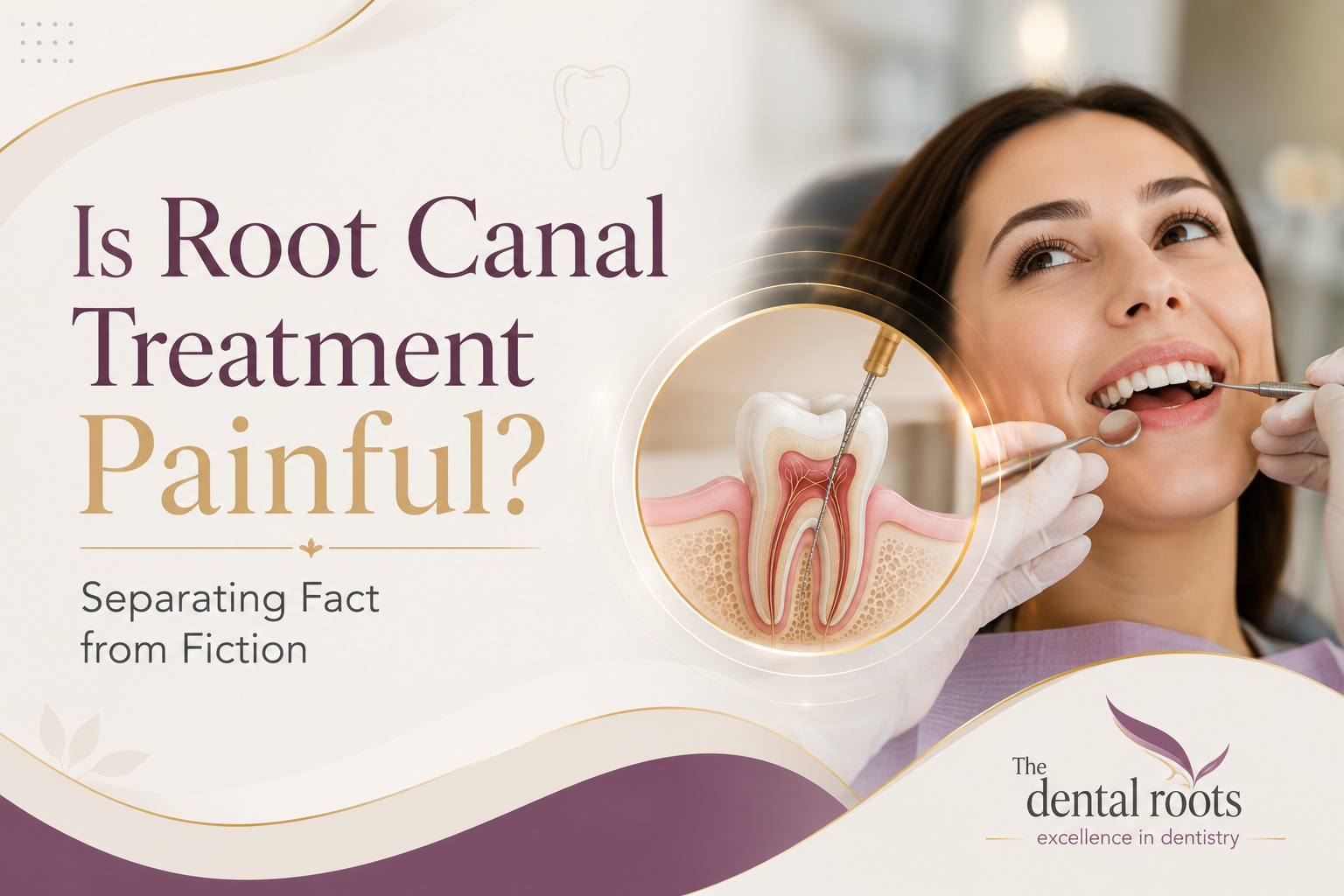
And if you happened to consult a dentist recently because of an incessant and nagging toothache, you must be familiar with those three words which have the ability to terrify people for generations now, but actually there is nothing terrifying about them anymore: the root canal treatment. But since ages, this medical procedure was wrongly identified with great amount of pain and suffering. The truth is that nowadays, it is just as simple as having a filling done.
But then, what exactly is root canal treatment and why does it come up in almost every consultation? It is completely normal to be afraid if you know nothing about the procedure going on in your mouth. Ignorance leads to fear. You need to understand and know everything about the procedure so that you could approach your dentist's office without fear.
The Anatomy of a Tooth: Understanding the Core
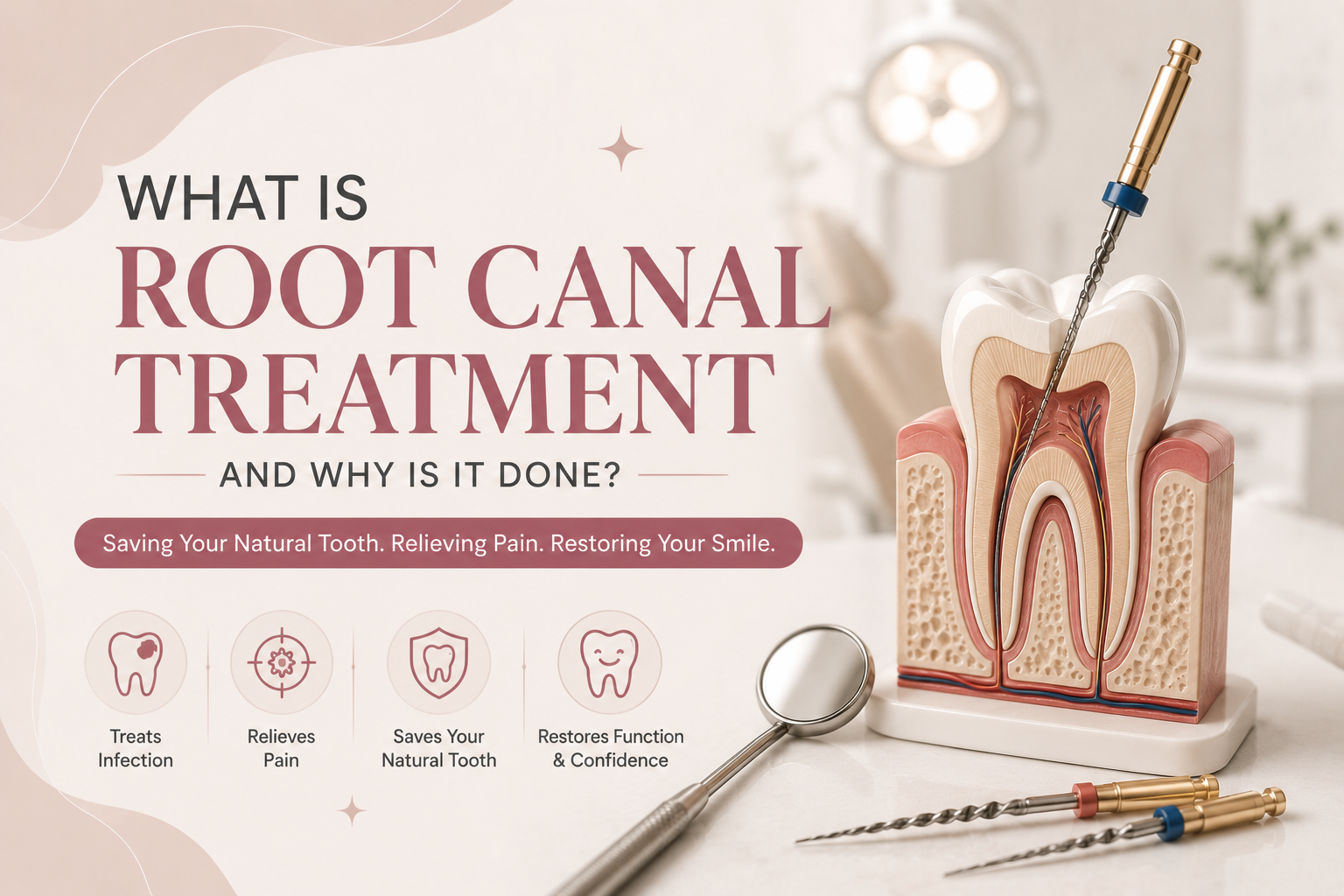
But before getting a clearer root canal treatment meaning, we need to get an insight into the anatomy of your tooth. Your tooth is more than just a hard piece of bone-like tissue. It is rather a living and complex organ. The white enamel covers the surface of your tooth while the layer below is the harder dentin. But if you keep going further down inside the tooth, you will see that there is a hollow part filled with some soft tissue.
It is the pulp chamber, and it goes all the way down to the roots of your teeth and then into your jawbone. The pulp contains the tooth nerve, blood vessels and connective tissues that helped in developing the tooth when it was growing up. When a tooth is mature, it doesn’t really need that pulp anymore because it can be nourished by the adjacent tissues.
The Tipping Point: Why Does a Tooth Need Help?
A lot of people want to know why root canal is even necessary in the first place. The simple explanation is that the external layers of your teeth are compromised and allow dangerous bacteria to enter the internal structures of your tooth. This normally occurs due to serious tooth decay which has gone untreated for a very long time. However, it is not always the deep cavity which is responsible for this situation. It could be the result of having a cracked or chipped tooth due to injury while playing sports, frequent dental work on the same tooth, or a crown that is leaky and damaged.
The bacteria start multiplying once they enter the pulp, thus causing a very serious infection of the pulp. Since the pulp is confined in the rigid
structure of the tooth enamel an
d dentin, there is no room left for inflammation, thus causing pain.
The Warning Signs: When Is It Time to Act?
So, how does one know whether root canal treatment is necessary? In such a case, your mouth will definitely give you definite signs. One symptom may be sensitivity to hot or cold foods for a long time after the exposure. There may be no specific reason for pain, which can just strike from somewhere unexpectedly as you sit at home. Other times, the pain may occur during chewing or applying pressure on a particular tooth.
As the infection spreads, it may reach the bones around the tooth, forming a dental abscess. Abscesses may appear in form of a pimple like bump on the gum, oozing with pus, which gives an unpleasant feeling inside the mouth. Swelling in the jaw or face is another symptom. Ignoring all of this is certainly not going to help you, as the infection will only get worse and cause damage to the bone structures, resulting in extraction of the tooth.
Breaking Down the Root Canal Treatment Process
In order to prevent further spread of the infection and maintain the integrity of your smile structure, an endodontic treatment needs to be performed by a professional dentist or endodontist. Let's consider each step of the root canal treatment procedure in order for you to understand what you will have to go through during your visit to the dentist.
First of all, X-rays will be taken in order to examine the shape of your root canals and identify the severity of the infection. Once you are ready to begin the procedure, a local anesthetic will be used to numb your tooth and its surrounding tissues. It is very important to note that this procedure is not painful; rather, it helps to eliminate the pain you have been experiencing.
Once you are numb, a special rubber sheet, known as a rubber dam, will be applied to your tooth in order to keep it dry while the procedure is being performed. After this, a small hole will be drilled into the crown of your tooth to access the pulp chamber.
The dentist uses very specific and microscopic tools to remove the diseased tissue. Since the tooth has no more nerves or blood vessels inside, it cannot sense temperatures or pain anymore. The root canals are then cleaned, shaped, and rinsed with antibacterial solutions to make sure that there are no bacteria present at all in the treated canals.
Once the cleaning process is completed, the canals are filled with a special substance called gutta-percha, which is a rubber-like biocompatible material. The gutta-percha is then sealed with an adhesive cement so that there will be no possible future bacterial contamination. Once the root canals are sealed, the temporary or permanent filling is applied on the access point. Since the tooth has lost its blood circulation, it becomes more fragile over time. That is why the next step in the treatment process involves the placement of a crown made of porcelain.
The Modern Experience: Speed and Precision
Discussion on how root canal treatment is done usually takes one back to painful experiences of undergoing multiple appointments. However, technology has made all the difference. Advanced dental facilities like The Dental Roots that have their facilities in Delhi and Gurgaon now use state-of-the-art technology to treat patients.
The advent of the operating microscope, 3-D imaging, and laser disinfection means that procedures that previously took three or four visits can now be accomplished in one comfortable appointment. Lasers enable the dentist to penetrate deep inside microscopic tubules to kill bacteria that would have otherwise gone undetected using conventional tools.
Why Preserving the Natural Tooth Matters
Perhaps it has crossed your mind that pulling out the offending tooth would be much simpler. Although tooth extraction may provide a seemingly easy way out of the situation, it normally brings about a whole host of new, undesirable dental issues. When you lose one of your teeth, the others adjacent to it often start shifting out of place, making your bite and overall smile look misaligned. The jawbone at the area where your tooth used to be will also start wasting away since there won’t be any stimuli there anymore.
Placing a new tooth after extraction normally entails getting either a dental implant or a bridge, which demands additional time and money. It is also a much more complicated procedure than root canal treatment. Saving your tooth through endodontics is definitely the least invasive solution possible for you.
Moving Forward Without Fear
Following the procedure, your tooth will be a bit sore as the body heals from inflammation caused by the original condition. This soreness can be easily alleviated by taking common over-the-counter pain medications. Once the final crown is fitted on, your treated tooth is cared for like any other normal tooth through brushing twice daily, flossing and regular visits to the dentist.
If you have been suffering from severe pain due to a dental problem, do not allow old misconceptions to stop you from accessing the urgent treatment that you badly require. At The Dental Roots, a team of well-trained endodontists is ready to use modern technologies to make sure your procedure is quick and almost pain-free. There is no need for you to suffer from pain in your tooth, nor do you have to lose it.
Frequently Asked Questions
The Dental Roots Editorial Team
Written by our panel of specialist dentists & patient educators