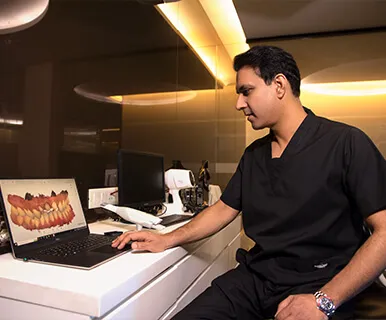

Many people feel anxious about getting a root canal. At The Dental Roots, our team explains the treatment process and helps you understand your options. Root canal treatment (RCT) is a restorative dental procedure that may help save a tooth affected by deep decay, damage or infection.
During RCT, inflamed or infected pulp is removed, the inside of the tooth is cleaned and disinfected, and the root canals are filled and sealed. A filling or dental crown may be recommended afterward, depending on the condition of the tooth.
If you are looking for root canal treatment in Delhi or Gurgaon, arrange a dental assessment to discuss your symptoms, suitable treatment options and aftercare. The right plan depends on the tooth involved, the extent of damage and whether enough healthy tooth structure remains to restore it.
To learn more about what root canal treatment is and why it is done, read our patient guide.
Save Your Tooth from Decay
Deep tooth decay, cracks or dental injuries can affect the pulp inside a tooth. Root canal treatment may be recommended when the pulp becomes inflamed or infected and the tooth can still be restored. Persistent toothache, lingering sensitivity to hot or cold, pain while chewing, gum swelling or tooth discolouration can be reasons to seek a dental assessment. These symptoms can have different causes, so an examination is needed to determine whether RCT is appropriate.
Sometimes the pulp becomes damaged without causing severe pain, so the absence of a toothache does not always rule out a problem. Avoid relying on symptoms alone or taking antibiotics without a dentist's advice. An assessment can help identify the cause and clarify whether root canal treatment, a different restorative procedure or another option is suitable.
Read more about the signs you may need a root canal and when to arrange a dental assessment.
What Happens During the RCT Dental Procedure?
The root canal procedure involves accessing the inside of the affected tooth, cleaning the canals and sealing them. The exact steps depend on the tooth and its clinical condition. Root canal treatment is usually planned to remove damaged pulp while preserving as much of the natural tooth as possible.
After the tooth is assessed and anaesthetised, the dentist creates an access opening, cleans and shapes the canals, and fills them with a suitable material before sealing the tooth. The dentist may recommend a permanent filling or crown to protect the remaining tooth structure. A crown is not required in every case, and the recommendation depends on the tooth's position, strength and amount of remaining structure.

1. Infected Tooth

2. Opening Made in the Tooth

3. Canals Cleaned

4. Canals Filled

5. Opening Sealed

6. Crown if Recommended
For a closer look at each stage, read our guide explaining what happens during a root canal procedure.
Single Visit RCT
Some root canal treatments can be completed in a single visit, while other cases require multiple appointments. The decision depends on the tooth, canal anatomy, infection and clinical findings. Depending on the case, endodontic equipment such as rotary instruments, apex locators, magnification and digital radiography may be used. Your dentist will explain the treatment plan, expected recovery, restoration needs and follow up care.
It is best not to choose a treatment only because it promises fewer visits. For root canal treatment, the priority is an appropriate diagnosis, careful cleaning and sealing, and a suitable final restoration. Ask your dentist why one or more appointments are recommended for your tooth and whether a follow up visit will be needed.
For more detail on appointment planning, see how long root canal treatment takes.
Painless Root Canal Treatment: What to Expect
Local anaesthesia is commonly used to help manage discomfort during root canal therapy. Some soreness may occur afterward, and the experience can vary depending on the tooth and complexity of treatment. If you are searching for painless root canal treatment in Gurgaon or Delhi, discuss any concerns with your dentist before the procedure. No dental treatment can be guaranteed to be completely pain free, but your dentist can explain what to expect and how discomfort is managed.
Learn more about what to expect during and after root canal treatment.
How Is Root Canal Treatment Diagnosed?
Your dentist will ask about your symptoms and dental history, examine the tooth and surrounding gum, and may recommend dental X rays or other tests. These findings help assess the pulp, roots and surrounding tissues and determine whether the tooth can be restored. Treatment recommendations depend on the individual diagnosis; tooth pain does not always mean a root canal is needed.
During the consultation, tell your dentist when the pain started, whether it is triggered by hot or cold foods, whether it wakes you at night and whether you have had previous treatment on the tooth. You can also ask about alternatives, likely number of visits, restoration options, expected costs and the signs that should prompt a review. Clear communication helps you make an informed decision about root canal treatment.
Recovery and Aftercare Following RCT
Some tenderness when biting or mild soreness can occur after treatment and usually improves over the following days. Follow the instructions provided by your dentist, maintain gentle but thorough oral hygiene and avoid putting excessive pressure on the treated tooth until advised. If a temporary filling has been placed, take care when chewing and return for the recommended permanent filling or crown. Contact your dentist if pain or swelling worsens, symptoms return or your bite feels uneven. Facial swelling with fever, or difficulty swallowing or breathing, requires urgent medical attention.
Do not delay the final restoration once it has been recommended, because a treated tooth may be more vulnerable to fracture depending on how much natural structure remains. Keep the review appointment even if the discomfort has settled, and continue brushing twice daily and cleaning between your teeth. Good aftercare supports the long term maintenance of the tooth, although no dental procedure can guarantee a particular outcome.
Root Canal Treatment Cost in Delhi and Gurgaon
The cost of root canal treatment depends on the tooth being treated, the complexity of the canals, diagnostic needs and whether a dental crown or another restoration is required. The total estimate may include consultation, imaging, the root canal procedure and the final restoration, so ask what is included before beginning treatment. Contact the clinic for an estimate based on your examination and recommended treatment plan.
Root Canal Treatment Cost in Delhi
If you are comparing root canal treatment cost in Delhi, The Dental Roots' Panchsheel Park clinic can assess the tooth and explain the proposed treatment. The final cost may vary by tooth type, canal complexity, infection status and whether a crown or other restoration is needed. Ask for a written, case specific estimate after the examination.
Delhi clinic detailsRoot Canal Treatment Cost in Gurgaon
For root canal treatment cost in Gurgaon, patients can contact The Dental Roots' Golf Course Road or Sushant Lok clinic to arrange an assessment. The estimate depends on the clinical findings, the number and shape of canals, and the restoration required after RCT. Confirm the expected visits and what the quoted fee includes.
Gurgaon clinic detailsBest Root Canal Treatment in Delhi
If you are looking for root canal treatment in Delhi, The Dental Roots' Panchsheel Park clinic can assess tooth pain, deep decay, dental trauma or other symptoms that may indicate pulp inflammation or infection. The dentist will examine the tooth, review any required dental X rays and explain whether root canal treatment is appropriate, what the procedure involves and whether a crown or other restoration may be needed.
Patients asking about root canal treatment cost in Delhi should discuss the diagnosis and proposed treatment plan during the consultation, since an accurate estimate depends on the individual tooth. You can ask about the expected number of visits, temporary care between appointments, the type of final restoration and when to return for follow up. This helps you understand both the procedure and the likely overall treatment plan before proceeding.
Location: Panchsheel Park, New Delhi 110017
Phone: +91 8130755004
Get Directions to the Delhi Clinic
Best Root Canal Treatment in Gurgaon
For root canal treatment in Gurgaon, The Dental Roots has clinic locations at Golf Course Road and Sushant Lok, Gurugram. You can arrange an assessment for persistent toothache, sensitivity, pain while chewing or other concerns that may need endodontic care. Your dentist will explain the diagnosis, available options, expected visits and restoration needs. If you are comparing a root canal specialist in Gurgaon or the best endodontist in Gurgaon, review the clinician's relevant qualifications, the proposed treatment plan, communication and follow up arrangements rather than relying on rankings alone.
For patients checking root canal treatment cost in Gurgaon, it is useful to confirm whether the estimate includes imaging, the root canal procedure and the final filling or crown. Fees can differ according to the tooth being treated and the complexity of the case, so a general online price may not reflect your needs. Bring details of previous dental treatment and current medicines to your consultation, and ask the dentist to explain any options in clear terms.
Golf Course Road: Golf Course Road, Sector 56, Gurugram, Haryana 122011
Sushant Lok: A 738, Sushant Lok 1 Road, Block A, Sushant Lok Phase I, Sector 43, Gurugram, Haryana 122001
Phone: +91 8130755004