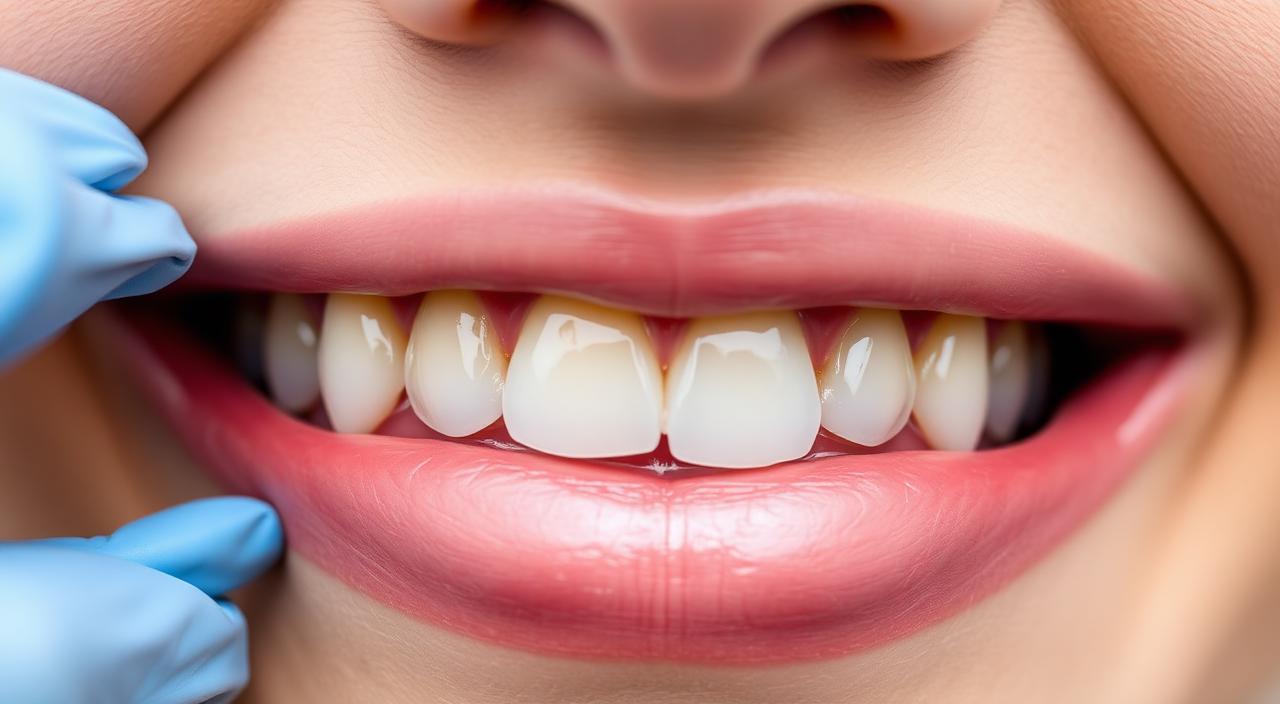
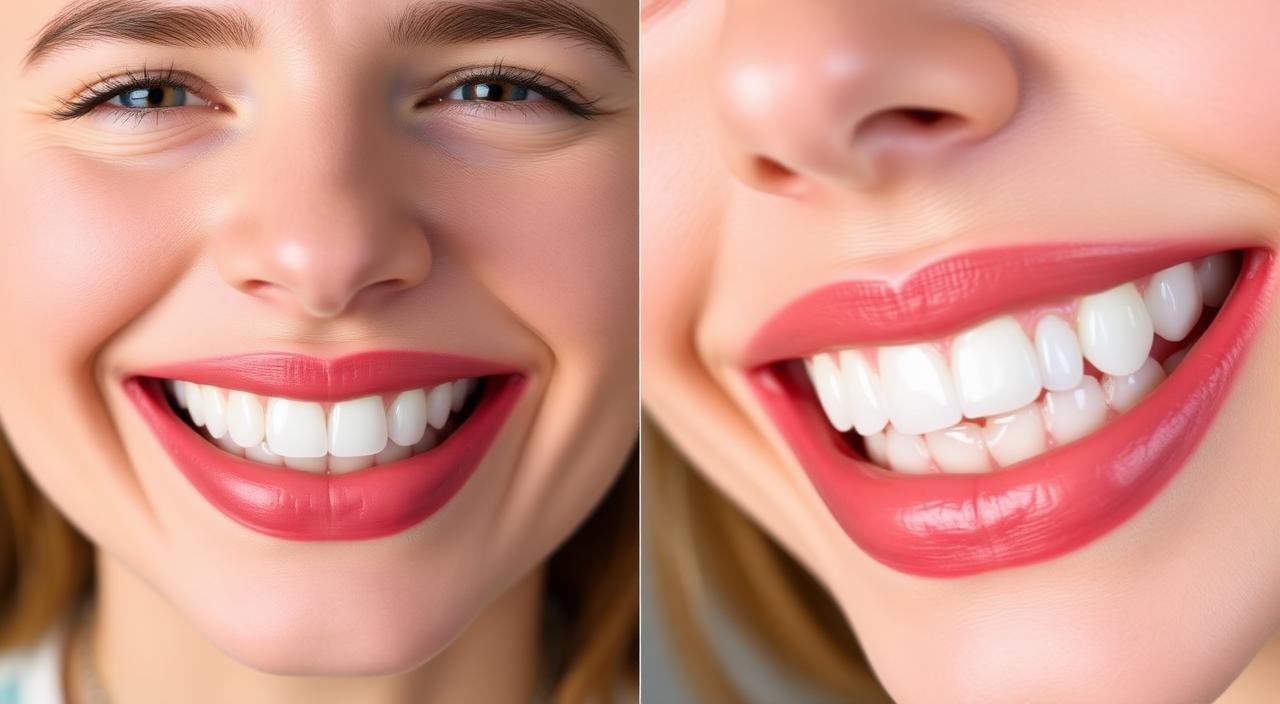
The change that dental veneers can make is often more significant than patients anticipate — and yet the best results are the ones nobody immediately identifies as dental work. Understanding what the journey looks like, from the first consultation to the moment you see your finished smile, removes most of the uncertainty that comes with this kind of decision.
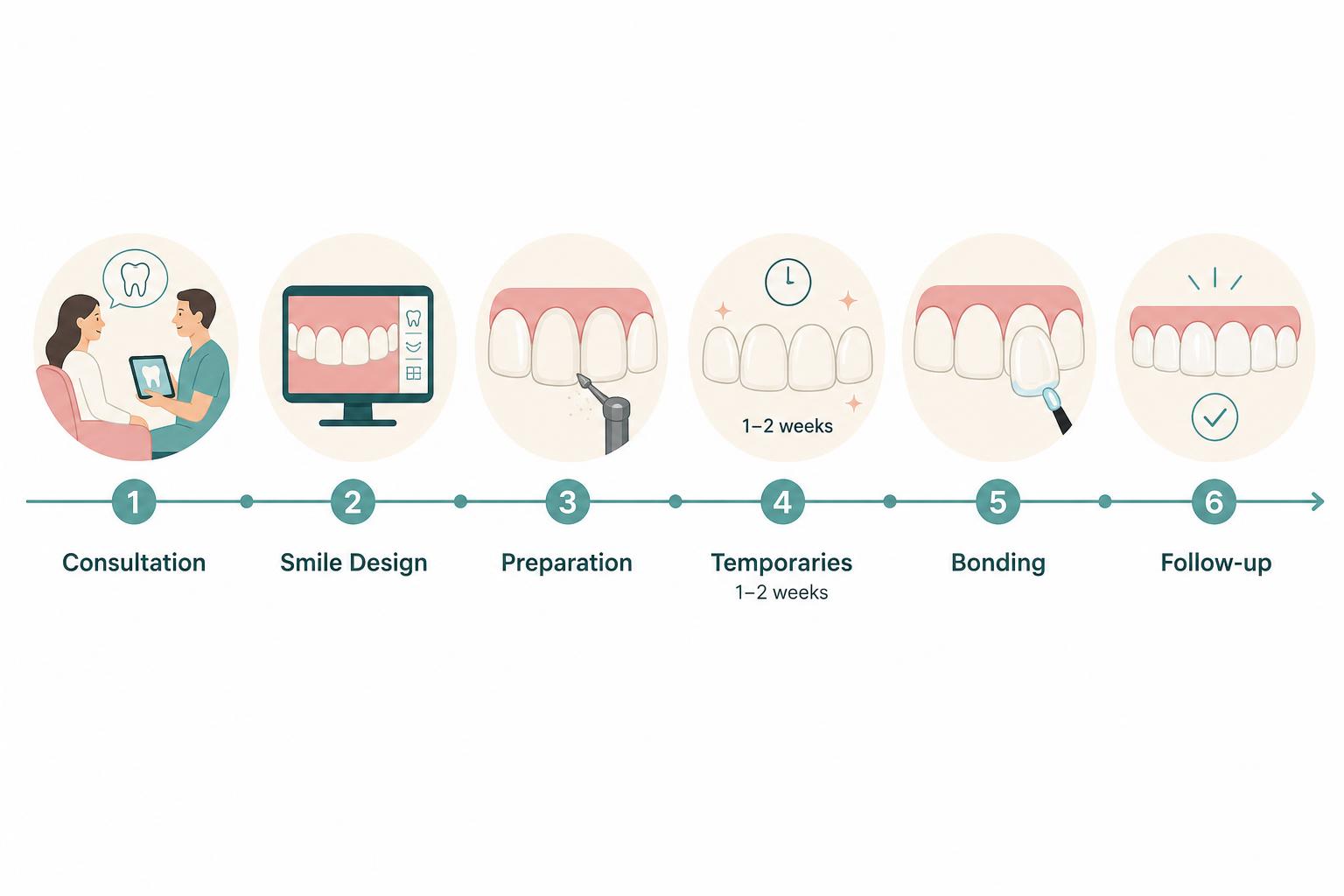
Before: What the Consultation Stage Involves
The starting point is always an honest assessment of your teeth. At the consultation, your dentist looks at the overall health of your gums and enamel, the alignment of your bite, and the specific concerns that have brought you in. Photographs are taken. Sometimes a digital scan or physical impressions of your teeth are made.
This stage is as much about conversation as examination. A good cosmetic dentist will ask what you would like to change, listen carefully, and then explain what is achievable and what is not. Not every concern can be addressed with veneers, and not every patient is the right candidate. Understanding your expectations before any treatment begins is essential to getting a result you are genuinely happy with.
Some patients bring reference photos of smiles they admire — and that is helpful context. Others are not sure exactly what they want, just that something feels off. Both are valid starting points.
The Planning Stage: Smile Design
For patients having multiple veneers as part of a smile makeover, a detailed smile design phase takes place before any preparation. This involves planning the shape, length, and shade of each veneer in relation to the others and in the context of your face.
Some clinics use digital smile design software, which can give you a visual preview of the approximate outcome before anything is touched. Mock-up temporary material applied to the teeth without any preparation can also give you a physical sense of how the veneers will look and feel.
This is the right point to raise any concerns or adjustments. Changes at the planning stage are easy. Changes after veneers are bonded are significantly more involved.
The Preparation Appointment: What Actually Happens
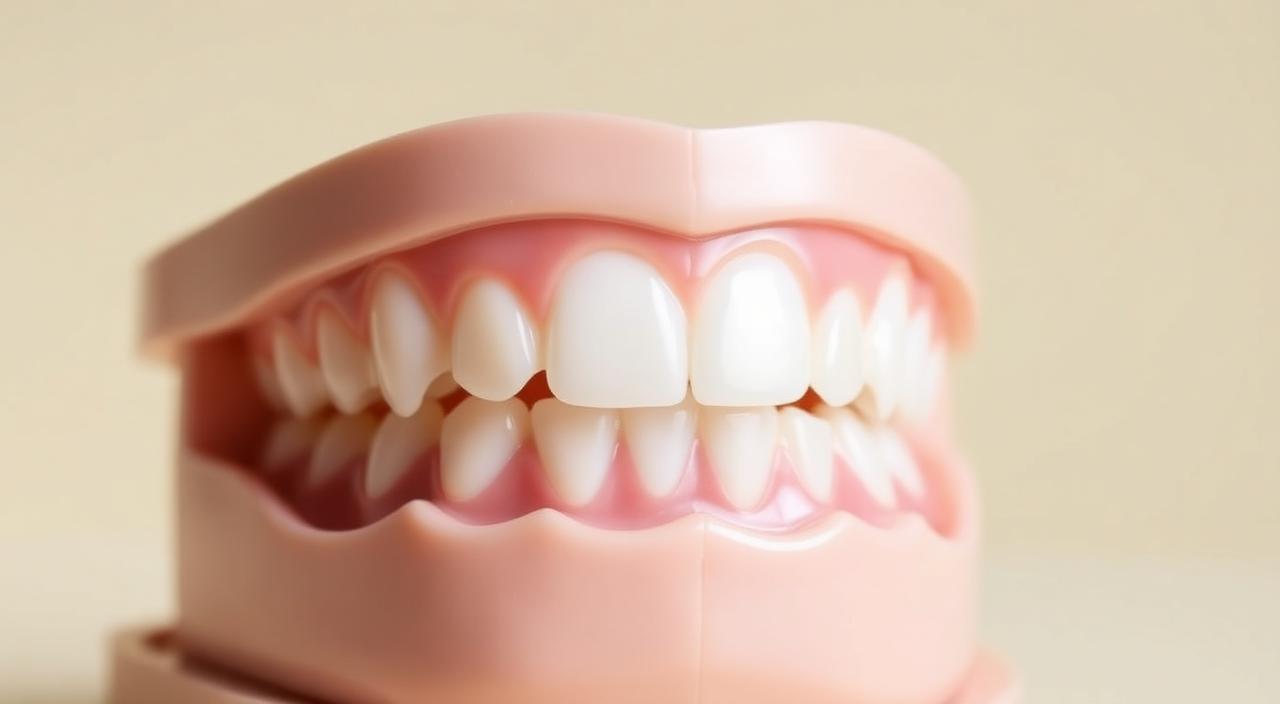
Local anaesthetic is administered. The front surface of each tooth receiving a veneer is carefully trimmed, typically less than half a millimetre removed. An impression or digital scan is taken of the prepared teeth and sent to a dental laboratory.
Temporary veneers are placed on the prepared teeth. These look roughly similar to the planned result but are not the final product. They protect the enamel and give you an early preview of the shape. Most patients adjust to them quickly. Some find them slightly different in texture or feel compared to the final veneers.
The lab typically takes one to two weeks to fabricate the porcelain veneers.
The Bonding Appointment: The Final Result
This is the appointment patients often describe as the most exciting. The temporaries are removed, the permanent veneers are placed on the teeth first without cement to check fit and colour. Adjustments to shade or shape can still be made at this stage.
Once everything is confirmed, an etching gel and bonding agent are applied, the veneer is cemented in position, and a curing light hardens the bond. Excess cement is cleaned away, the bite is checked, and the veneers are given a final polish. You leave the appointment with your finished result.
After: The First Few Weeks
Some mild sensitivity in the days following bonding is normal. The teeth have been through preparation and a new material has been bonded to them. Temperature sensitivity, in particular, is common and usually settles within one to two weeks.
The bite sometimes needs a very minor refinement after a few days of normal use — this is routine and easy to address at a follow-up appointment.
Most patients adapt remarkably quickly. Within a week, the veneers feel like a natural part of the mouth.
The Long-Term Result: What to Expect Over Time
Porcelain veneers, properly cared for, look consistent over many years. The shade does not change the way natural enamel yellows with age. The surface remains smooth. The shape and proportion that was planned at the outset stays exactly as intended.
What does change over time is the surrounding gum tissue. Minor gum recession is a natural part of ageing, and if the gumline drops enough around a veneer, a thin dark margin can become visible at the base of the tooth. This is one reason why long-term gum health maintenance is important for veneer patients.
At some point — typically after 10 to 15 years — replacement becomes necessary. This is planned, predictable, and follows a similar process to the original placement.
Realistic Expectations: What Veneers Can and Cannot Do
A set of well-made veneers can genuinely transform the appearance of a smile. The results are often more dramatic than patients expect — and yet, when done correctly, they look like a natural smile rather than obvious dental work.
What veneers cannot do is change the underlying structure of the teeth, correct a significantly misaligned bite, or replace the need for good oral hygiene. Patients who maintain their gum health and attend regular check-ups get the most from their veneers over time.
Patients who go into treatment with unrealistic expectations — expecting perfection, or expecting that veneers will solve concerns that are not actually cosmetic — are more likely to be dissatisfied. A thorough consultation, with honest discussion of both the possibilities and the limitations, is the best foundation for a result you will be happy with long-term.
Whether you have a specific smile concern you would like addressed or you are simply curious about what veneers could achieve for your teeth, a consultation at The Dental Roots begins with an honest assessment. You will leave with a clear picture of what is possible, what the process involves, and what the realistic outcome looks like for your individual situation.
Frequently Asked Questions
The Dental Roots Editorial Team
Written by our panel of specialist dentists & patient educators