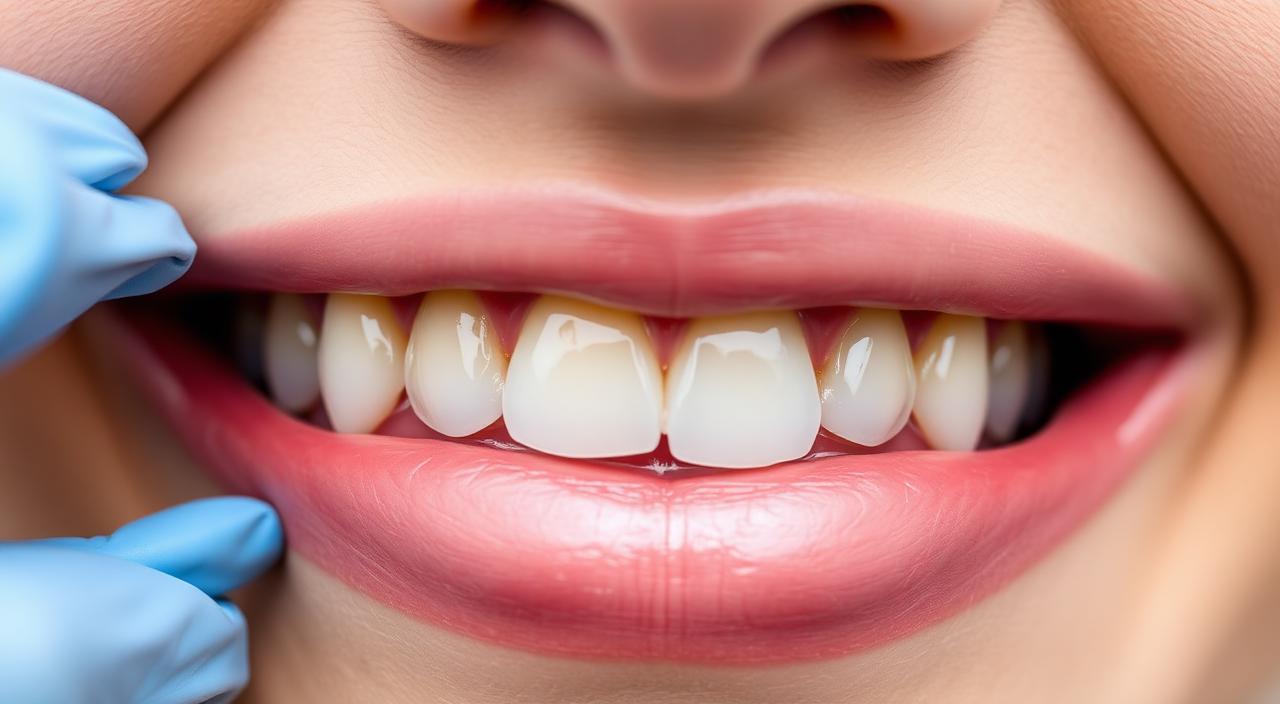
Veneers and teeth whitening are not really competing treatments; they solve different problems. Whitening works by bleaching the natural enamel to a lighter shade. Veneers cover the tooth surface entirely. Choosing between them comes down to what your teeth actually need, not which sounds more impressive.
What Teeth Whitening Does and Does Not Do
Professional teeth whitening uses a bleaching agent — typically hydrogen peroxide or carbamide peroxide — to oxidise stain molecules within the enamel, lifting the colour of the tooth. It works well for yellowing caused by food, drink, and age-related enamel changes.
What it cannot do: whiten teeth that have intrinsic staining. Discolouration from tetracycline antibiotics, fluorosis, darkened root-treated teeth, or severe internal yellowing sits within the tooth structure itself. Bleaching cannot reach it. This is not a failure of technique, it is a limitation of what the treatment was designed to do.
Whitening also does not change the shape, size, or texture of a tooth. It makes the colour lighter. That is its entire scope.
What Veneers Do and When They Are the Stronger Choice
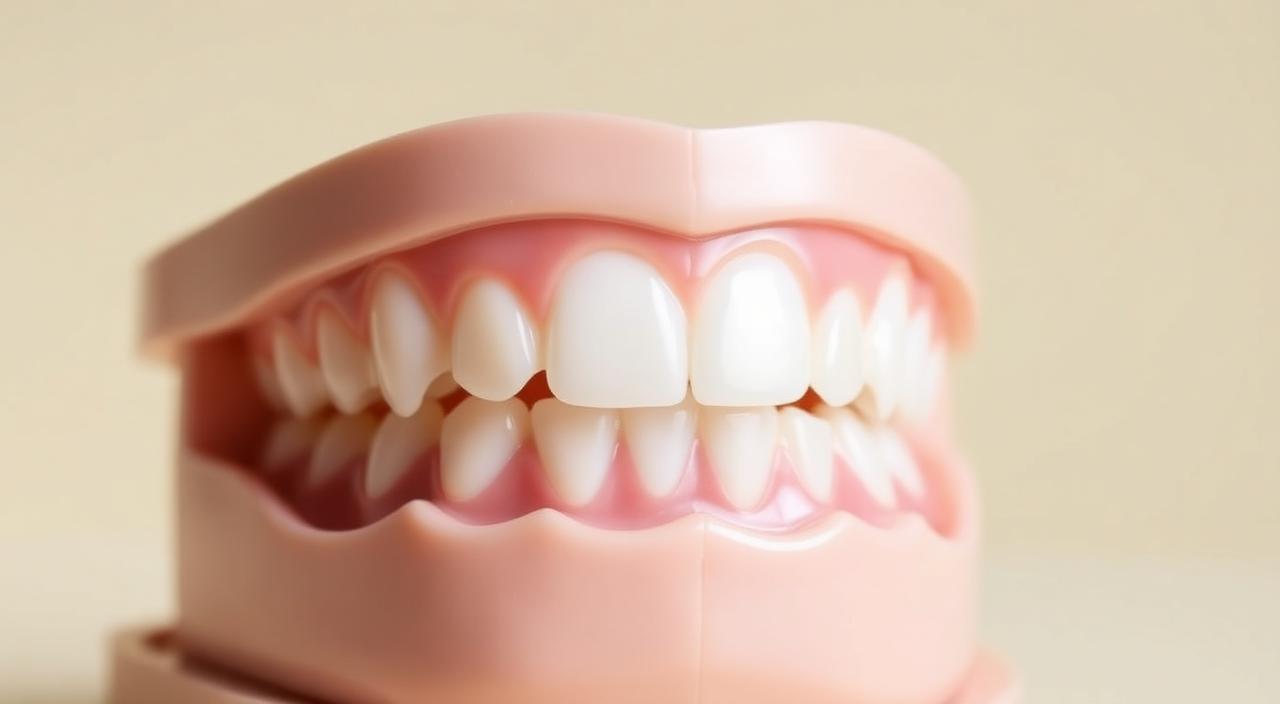
A veneer covers the entire front surface of the tooth. It can change the shade, the shape, the length, the texture, and the overall appearance in one treatment. Patients with a chip, a gap, and discolouration can address all three problems simultaneously.
For patients with staining that whitening cannot fix, veneers are often the most effective available option. The veneer is made in whatever shade you and your dentist decide on — meaning the result is predictable in a way that whitening, which depends on your natural tooth response, is not.
Side-by-Side Comparison
| Factor | Teeth Whitening | Dental Veneers |
|---|---|---|
| What it addresses | Surface & enamel staining | Staining, chips, gaps, shape, size |
| Works on intrinsic stains | No | Yes |
| Changes tooth shape | No | Yes |
| Longevity | 6 months to 2 years (with top-ups) | 10–15 years (porcelain) |
| Reversible | Yes | Generally no (enamel removal) |
| Cost (Delhi NCR) | More affordable | Higher initial cost |
| Number of appointments | 1–2 | 2–3 (porcelain) |
| Suitable for natural teeth only | Yes | Yes (caps existing surface) |
Cost of Veneers vs Whitening in India
Teeth whitening is consistently the more affordable option. Professional in-clinic whitening in Delhi NCR costs a fraction of what veneers cost per tooth. For patients who simply want lighter teeth and have no structural concerns, whitening makes sense as a starting point.
Veneers represent a larger investment but the longevity is also significantly longer. Whitening results typically need maintenance or repetition within one to two years. Porcelain veneers, well cared for, can last a decade or more without intervention.
Over a 10-year period, the total cost of repeated whitening treatments can begin to approach that of a set of veneers. This is a comparison worth making if you are deciding on the basis of budget.
Which Lasts Longer — Veneers or Whitening?
Porcelain veneers last significantly longer. Whitening results fade as staining naturally re-accumulates on enamel. Veneers, being a new surface material rather than a change to the existing tooth, are stable in shade over time. Porcelain is also inherently stain-resistant in a way natural enamel is not.
Composite veneers fall somewhere in between. They last longer than whitening but do absorb staining more readily than porcelain over time.
Can You Have Both? Whitening and Veneers Together
Yes — but the sequencing matters. If you want to whiten your natural teeth and have veneers, the correct approach is to whiten first, wait for the shade to stabilise (usually a few weeks), and then have the veneers matched to the new shade. Whitening after veneers are already placed will brighten the natural teeth without affecting the veneer colour — creating a mismatch.
A good cosmetic dentist will plan this sequence carefully as part of an overall smile design.
If you are weighing up veneers against whitening in Delhi NCR and are not sure which makes more sense for your teeth, a consultation at The Dental Roots can help. The team will assess your specific colouring, tooth condition, and smile goals to recommend the approach that gives you the most effective and lasting result.
Related reading
Frequently Asked Questions
The Dental Roots Editorial Team
Written by our panel of specialist dentists & patient educators