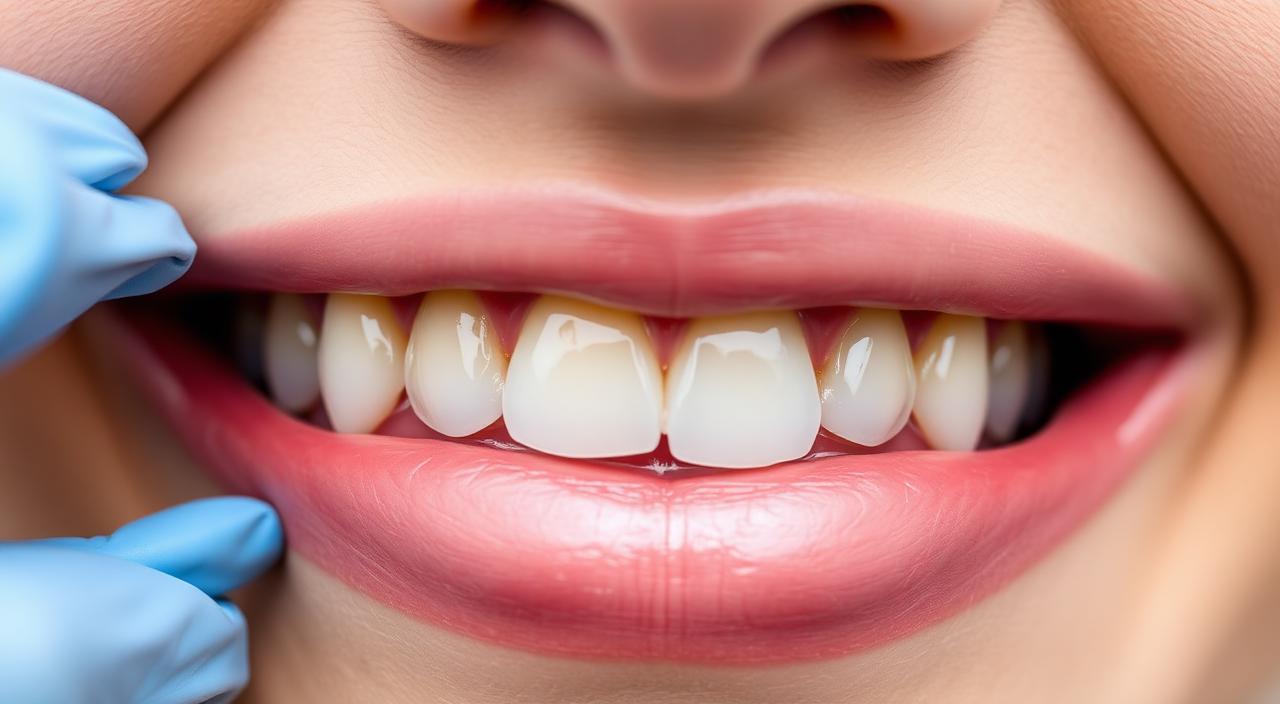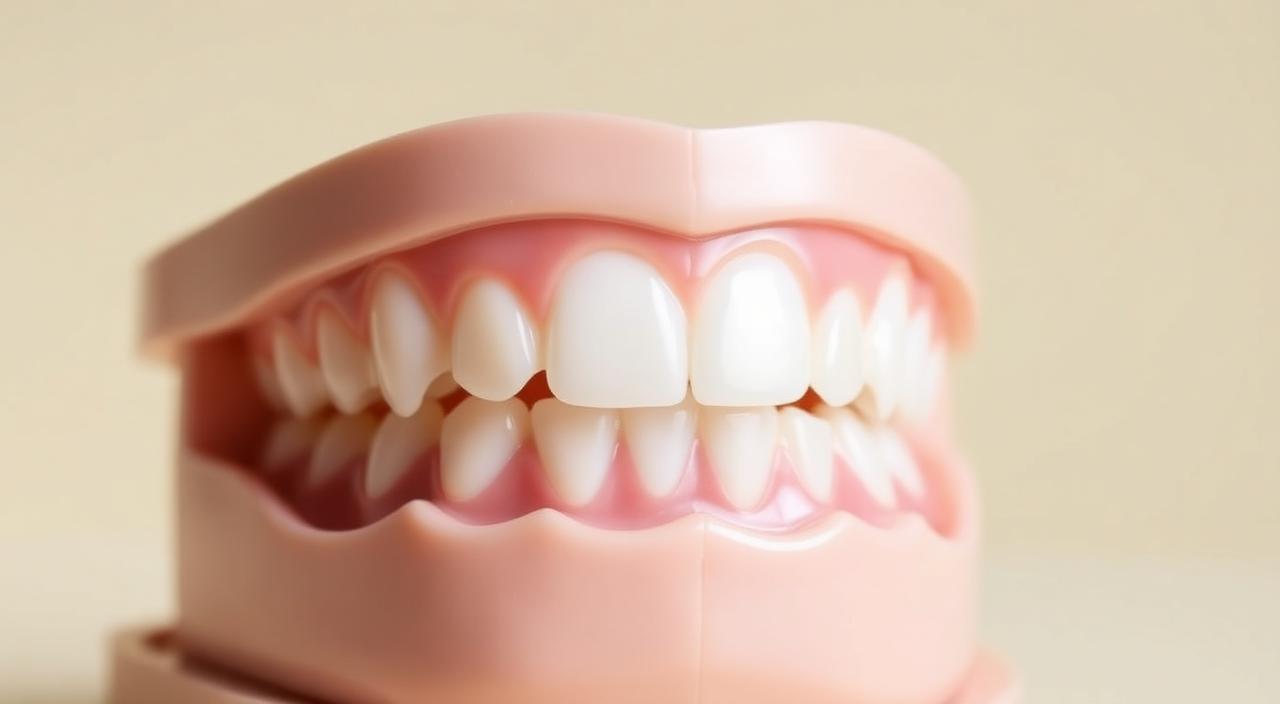
Looking after veneers is genuinely simple — but a few specific habits make a significant difference to how long they last and how good they look over time. Porcelain veneers can last 10 to 15 years with the right care. Neglecting aftercare, even with good-quality veneers, can shorten that considerably. Here is an honest, practical breakdown of what to do immediately after treatment, and what ongoing maintenance looks like.
The First Two Weeks After Getting Veneers
Some sensitivity to hot and cold is completely normal in the first few days after bonding. The tooth has had a small amount of enamel removed and a new material cemented to it — a short adjustment period is expected.
During this initial phase, a few things help the veneers settle comfortably:
- Avoid very hard foods — crusty bread, raw carrots, hard nuts — until the sensitivity settles
- Be careful with very hot and very cold food or drink. This is temporary
- Avoid biting into food directly with your front veneered teeth. Use a knife and fork where you can
- Floss gently around the margins of the veneers — the gum needs time to adjust
If something feels wrong — the bite feels uneven, a veneer feels loose, or you notice a rough edge — contact your dentist promptly. Minor adjustments early on are straightforward.
Daily Oral Hygiene with Veneers
Good oral hygiene is the most important long-term factor. The veneer itself does not decay, but the natural tooth underneath it can. Bacteria and plaque that accumulate at the gum margin can cause gum recession over time — and if the gumline drops enough, the margin between the veneer and the tooth becomes visible.
The daily routine is simpler than most patients expect:
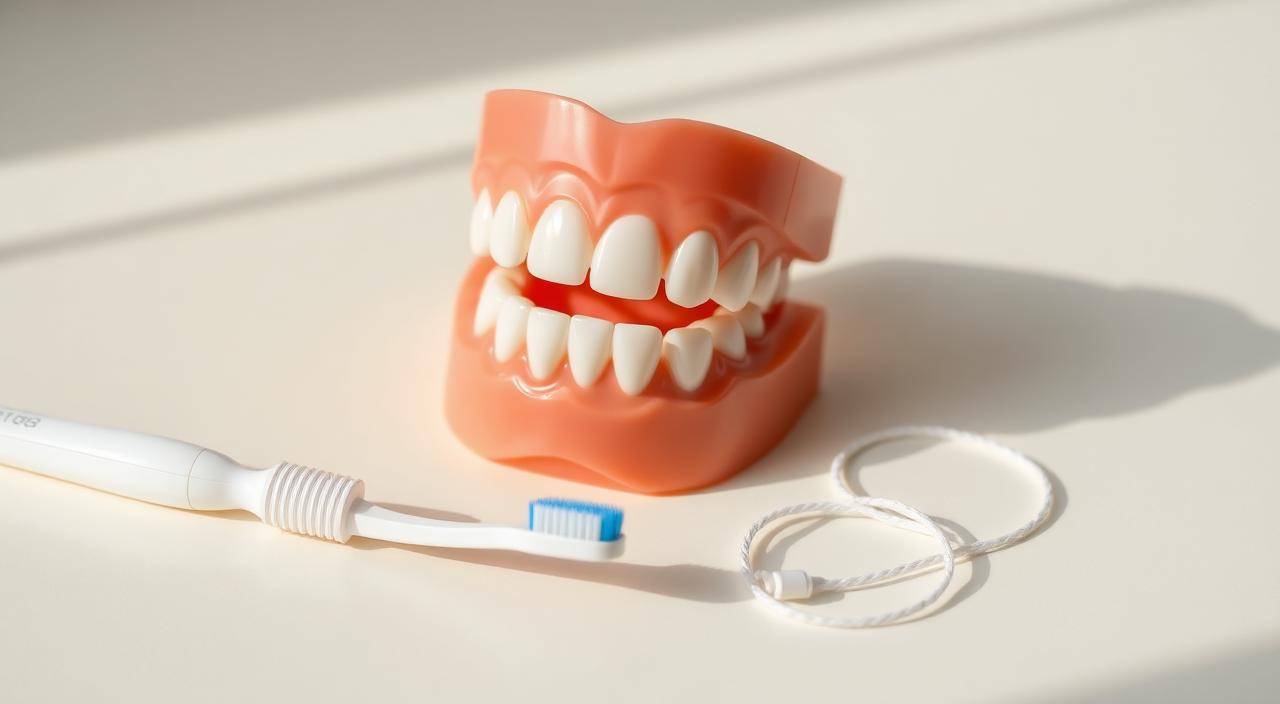
- Brush twice a day with a soft-bristled toothbrush. Medium or hard bristles can scratch the veneer surface over time
- Use a non-abrasive fluoride toothpaste. Avoid gritty whitening toothpastes. The abrasive particles that lift stains from natural enamel can dull the glaze on porcelain
- Floss daily, right down to the gum margin around each veneer
- If you use a mouthwash, choose an alcohol-free formula. High alcohol concentrations can weaken the bonding agent over time
Foods and Drinks to Be Mindful Of
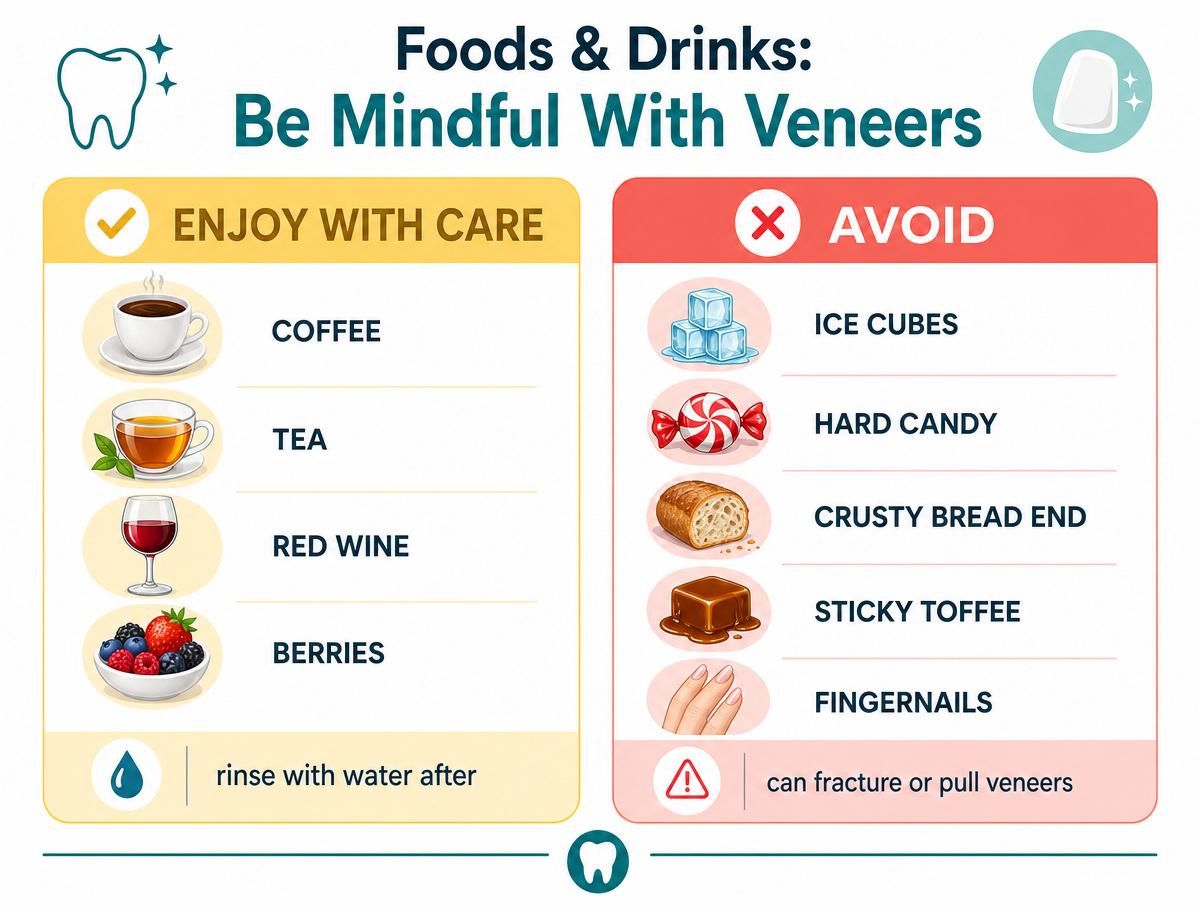
Porcelain veneers are stain-resistant — significantly more so than natural enamel or composite. But the bonding resin at the edges is slightly more porous. Over many years, repeated exposure to heavy staining agents can affect the margin.
A few common-sense habits help:
- Rinse your mouth with water after drinking coffee, tea, or red wine
- Avoid biting directly into very hard items with your veneered front teeth — hard sweets, ice, or crusty bread bitten end-on. The ceramic can fracture under unexpected sharp force
- Avoid sticky foods that could pull at the veneer bond over time
You do not need to give up tea or coffee. These guidelines are about reducing unnecessary wear, not eliminating enjoyment.
Night Guard for Veneers — Is It Necessary?
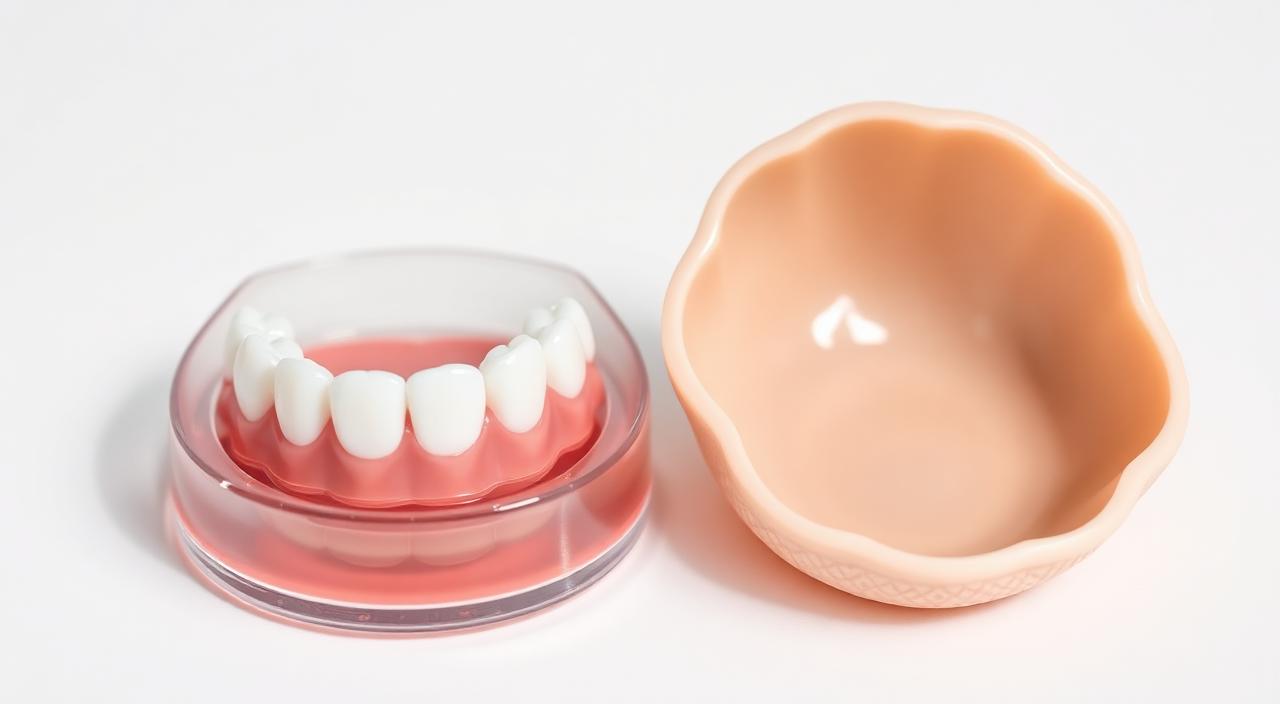
If you grind your teeth at night — even mildly — a custom night guard is one of the most valuable things you can invest in after getting veneers. Grinding exerts repeated force on the veneer surface that it was not designed to withstand over years of use. The ceramic can develop micro-fractures or eventually chip.
The night guard sits over your teeth while you sleep and absorbs that pressure. It does not interfere with the veneers and is not visible to anyone. For patients who grind, we consider it an essential part of long-term veneer care rather than an optional extra.
Long-Term Maintenance: What to Expect
Routine dental check-ups every six months are important for veneers. During these visits, your dentist will check the bonding is intact, that the gum margins are healthy, and that no issues are developing at the edges of the veneers. Professional cleaning removes any plaque or tartar at the margins that home brushing misses.
If anything changes — a veneer feels different, becomes sensitive, or looks visually different at the gum margin — an earlier appointment is advisable. Small issues caught early are almost always simple to address. Left for longer, they can require more involved treatment.
Veneers do not last forever. Even with excellent care, replacement is likely eventually. The current veneer is removed and a new one is placed in a process similar to the original. Porcelain longevity correlates directly with how consistently the aftercare above is followed.
A Note on Whitening After Veneers
Teeth whitening treatments do not change the colour of existing porcelain veneers. If you whiten your natural teeth significantly after having veneers placed, the surrounding teeth may become brighter while the veneers remain at their original shade — creating a visible mismatch.
If whitening is something you want, the recommended approach is to whiten first, let the shade stabilize, and then have veneers matched to the new shade. Speak to your dentist about the timing.
Whether you have recently had veneers placed or are planning ahead, the team at The Dental Roots can walk you through a personalised aftercare plan. Regular check-ups and early attention to any changes are the most reliable way to keep your veneers looking and functioning at their best.
Related reading
Frequently Asked Questions
The Dental Roots Editorial Team
Written by our panel of specialist dentists & patient educators