Dental veneers are one of the most versatile cosmetic dental treatments available — and the three problems patients most commonly bring to us are chipped teeth, visible gaps, and staining that whitening simply will not shift. Each of these can be corrected with a well-planned veneer, but the approach is slightly different for each one. Understanding what veneers can realistically achieve for your specific concern will help you decide whether they are the right option for you.
Veneers for Chipped Teeth
A chipped front tooth is often the push that brings someone into a consultation for the first time. It can feel like a constant distraction, something you are always conscious of in photos or when you smile at someone.
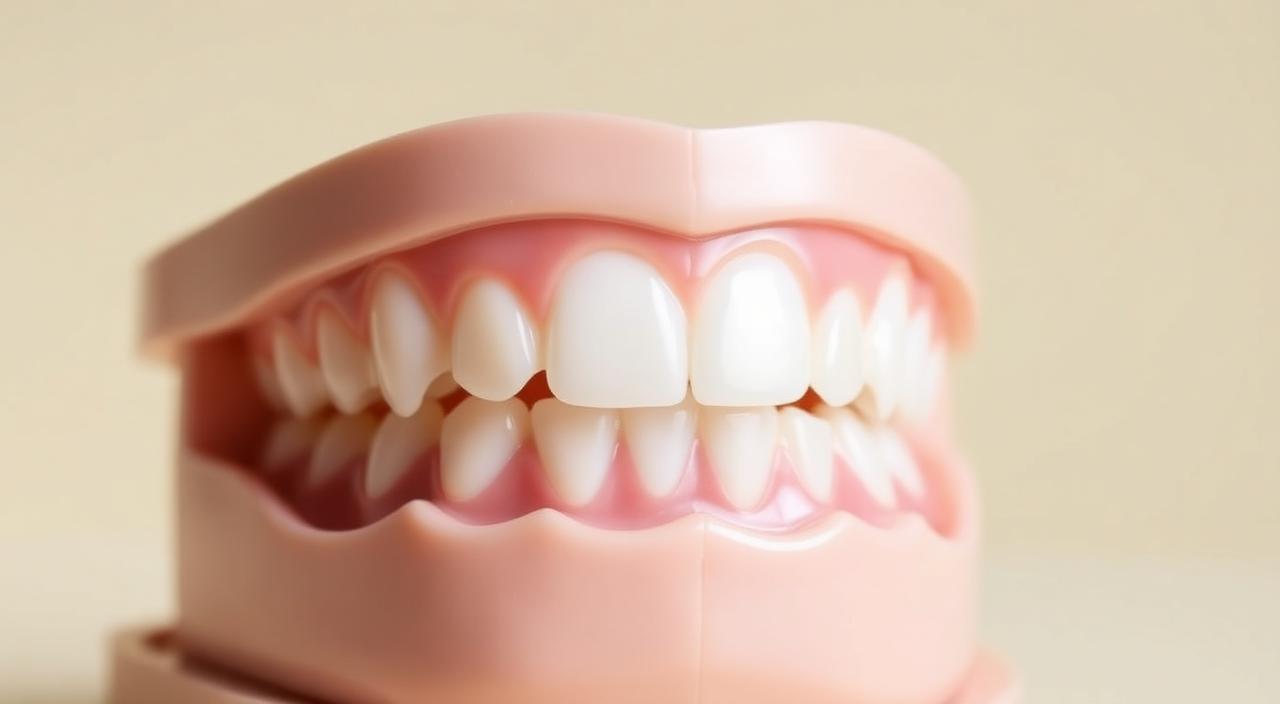
The good news is that veneers are a particularly reliable solution here. A thin shell of porcelain is bonded over the front of the tooth, covering the chip completely and restoring the natural shape. Once it is placed and polished, the chip effectively disappears.
One thing worth knowing: if the chip is large or has left the tooth structurally compromised, a crown may be a more appropriate option than a veneer. Veneers are primarily cosmetic — they cover the surface but do not rebuild the structural core of a tooth. Your dentist will assess this during consultation.
For smaller chips on otherwise healthy teeth, though, veneers offer an elegant, minimally invasive fix. In many cases, the amount of preparation required is very small.
Veneers for Gapped Teeth
A gap between the front teeth — known as a diastema — is one of the most common requests we see for cosmetic dentistry in Delhi. Some patients embrace it as part of their look. Others find it the one thing they would change about their smile if they could.
Veneers can close a gap by making the veneered teeth slightly wider. The result is a seamless closure that looks natural rather than patched. For a single central gap, two veneers are typically placed — one on each of the front teeth flanking the space.
The important thing is proportionality. The additional width added by the veneer needs to suit the overall size of your smile and your facial structure. A cosmetic dentist with experience in smile design will plan this carefully. Closing a gap carelessly can produce teeth that look too wide or out of proportion with the rest of the mouth.
Veneers are not always the only option for diastema closure. Composite bonding or orthodontics may be more appropriate depending on the size of the gap and the alignment of surrounding teeth. If the gap is very wide, braces or aligners first — then veneers — might give a better overall result.
Dental Veneers for Stained Teeth
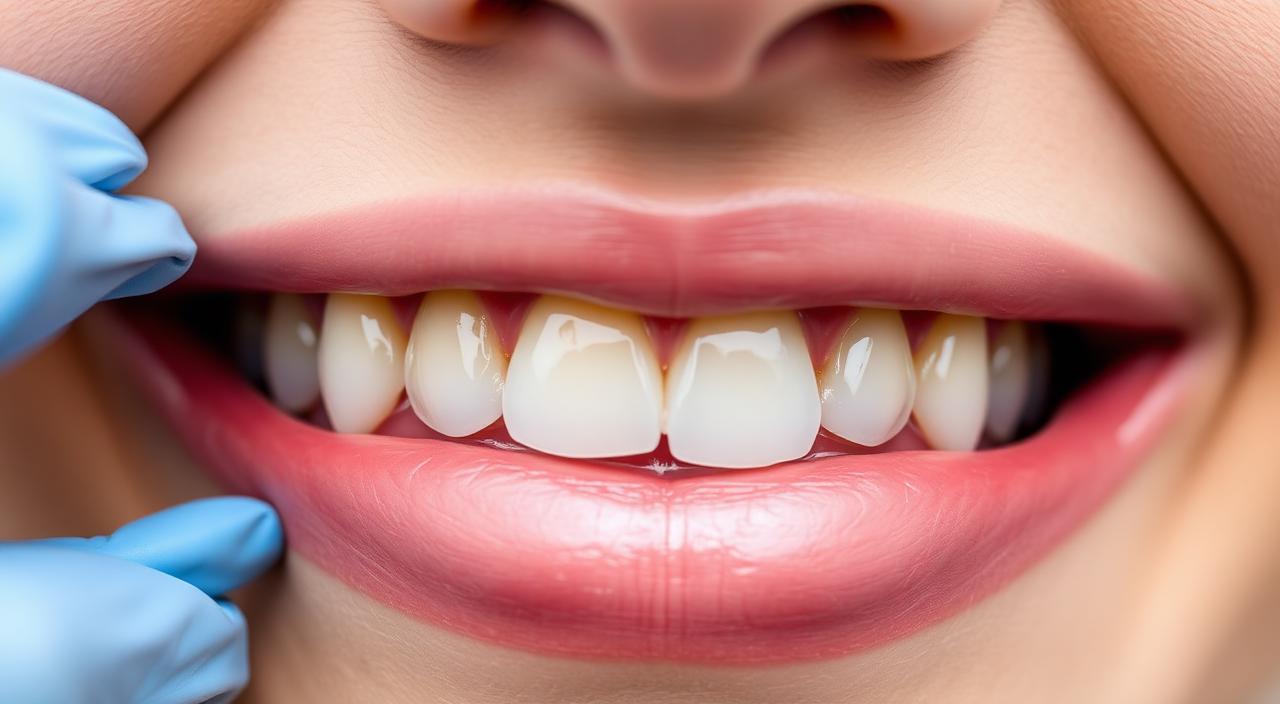
Teeth whitening works well for many types of discoloration: the surface staining from coffee, tea, or tobacco, for example. But there is a category of staining that bleaching cannot touch. Intrinsic staining — discolouration that sits within the structure of the tooth itself — is one of them.
This includes staining from tetracycline antibiotics taken during childhood, fluorosis (white or brown marks from excess fluoride during tooth development), and severe age-related yellowing where the enamel has worn thin. Root-treated teeth often darken over time as well.
For these cases, whitening is not effective. The staining is inside the tooth, not on the surface. A veneer works because it covers the entire front surface with a new material that can be selected in any shade — including a natural white that matches the surrounding teeth.
Patients often ask whether veneers for discoloured teeth look noticeably different from their natural teeth. When the shade is chosen well and the surface finish is right, the answer is no. The porcelain material used in modern veneer fabrication has translucency built into it; it catches and reflects light in a way that mirrors how real enamel behaves. The result can be indistinguishable from a natural tooth.
Can Veneers Fix Multiple Problems at Once?
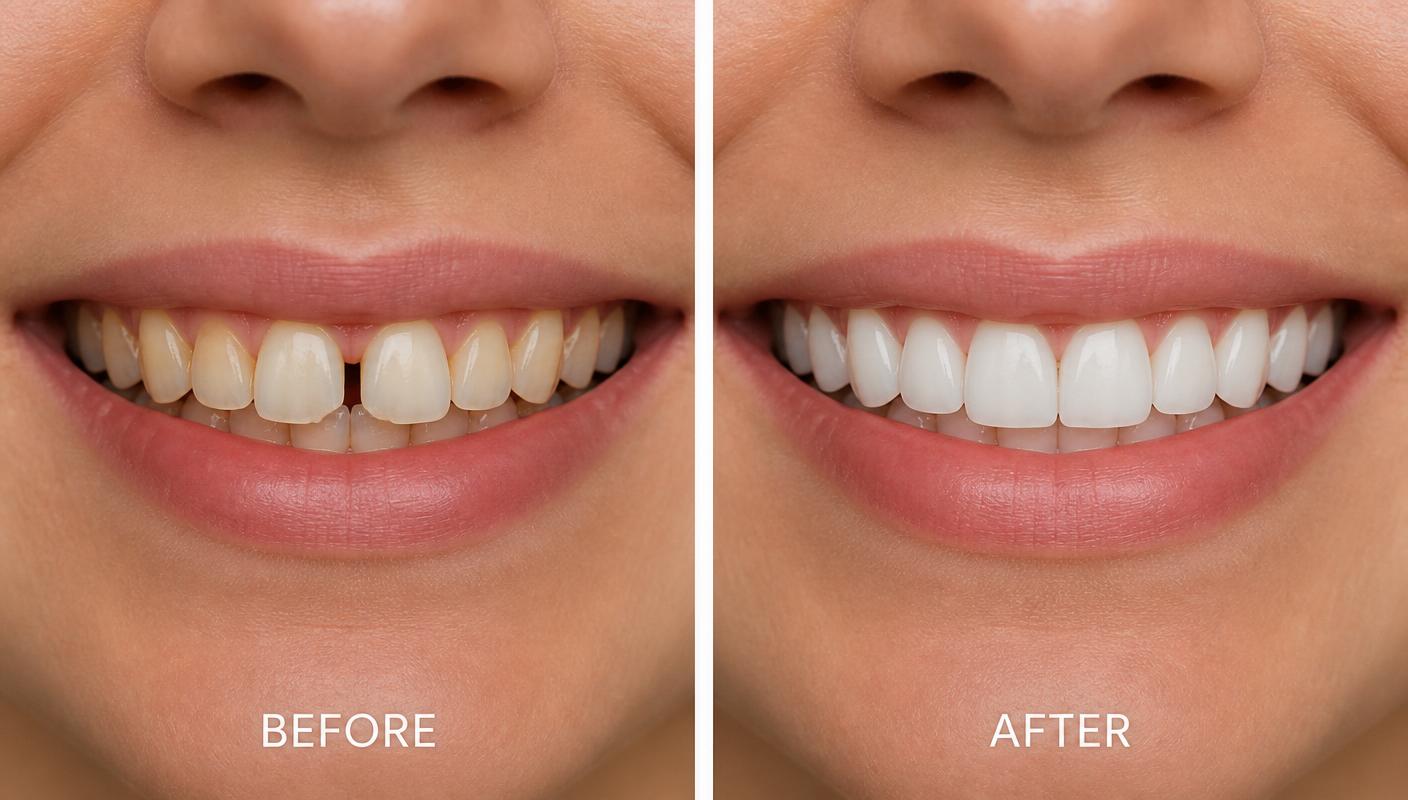
Yes — and this is one of the reasons smile makeovers using veneers are so popular. A patient might have a small chip on one tooth, slight discolouration on two others, and a noticeable gap. Rather than treating each problem separately with different approaches, a carefully planned set of veneers across the front teeth can address all of these concerns in a single, cohesive result.
This is what a full smile makeover using porcelain restoration involves. Each veneer is designed and colour-matched as part of an overall smile, not in isolation. The outcome is a consistent, balanced set of teeth that look like your best natural smile — not like dental work.
Who Should Consider Veneers for These Problems?
Veneers work best when the underlying tooth is healthy, you have sufficient enamel remaining, your gums are in good condition, and your expectations are realistic. If grinding is an issue, that needs to be managed alongside treatment.
The best way to find out whether veneers are right for your specific chip, gap, or stain is a proper assessment. The nature of the problem, its size, location, and the surrounding dental health determines which approach will give you the most natural, lasting result.
If you have a chipped tooth, a gap you have always wanted to close, or staining that whitening has not shifted, a consultation at The Dental Roots can give you an honest picture of your options. Treatment recommendations are based on your specific concerns, your oral health, and the result that will suit your face and smile — not a template.
Related reading
Frequently Asked Questions
The Dental Roots Editorial Team
Written by our panel of specialist dentists & patient educators