Veneers have a reputation problem in some circles. Patients come into consultations having read or heard things that make them hesitant — that veneers ruin your teeth, that they look obviously fake, that the preparation is agonising, or that only celebrities get them. Most of these are either exaggerations or completely wrong. Here is an honest look at the most common myths, and what dental practice actually shows.
Myth 1: Veneers Destroy Your Natural Teeth
This is the one we hear most often. The concern makes sense — preparation does involve removing some tooth enamel, and enamel does not grow back. But 'destroying' the tooth is a significant overstatement of what actually happens.
In most cases, the amount of enamel removed is less than half a millimetre — a layer thinner than a contact lens. The tooth structure underneath is preserved. The veneer is then bonded to the prepared surface.
What is true is that the process is permanent. Once enamel has been trimmed, the tooth will always need a covering of some kind. But that is not the same as damage. A well-bonded veneer on a healthy tooth can reinforce the front surface and does not weaken the tooth in normal use.
No-prep veneer — ultra-thin shells that require no enamel reduction — exist as an option for suitable patients. These preserve the underlying tooth entirely. They are not appropriate in every situation, but for some patients they offer a fully reversible cosmetic option.
Myth 2: Veneers Always Look Fake and Obvious

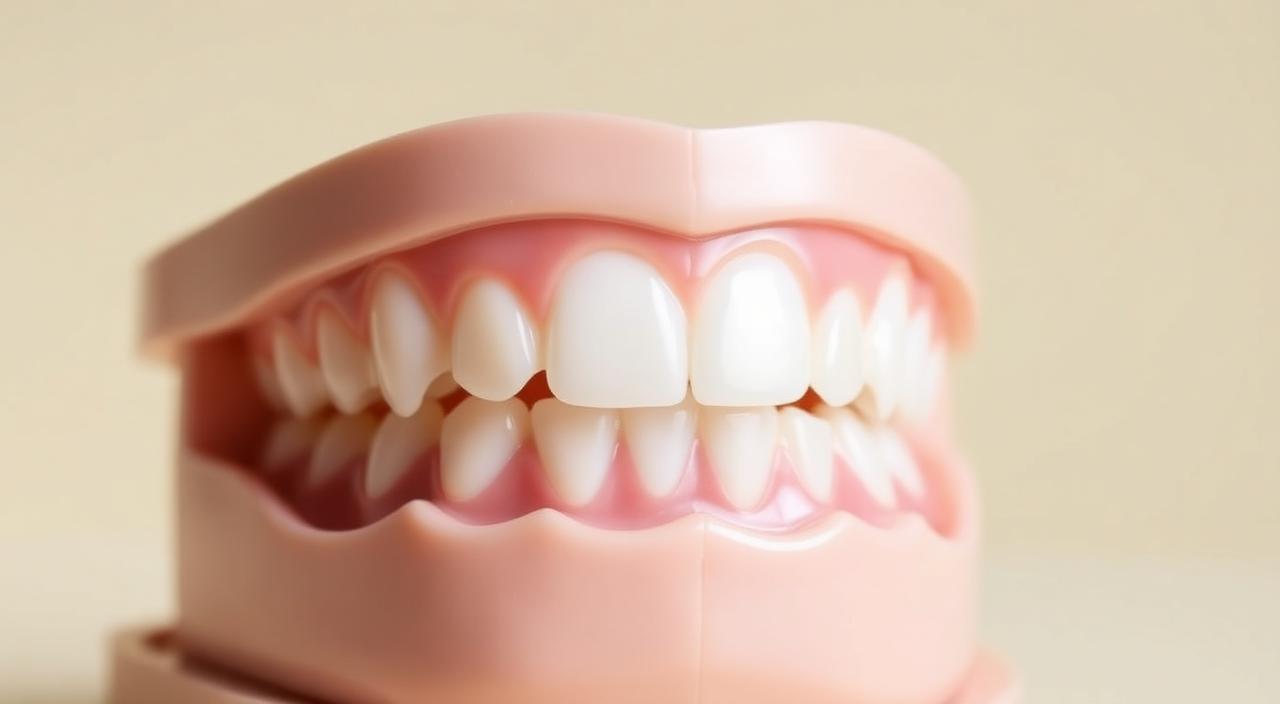
The 'white piano keys' look — uniformly opaque, almost luminous teeth that look nothing like real enamel — is a real phenomenon. But it is a consequence of poor planning and poor material choices, not an inevitable outcome of veneers.
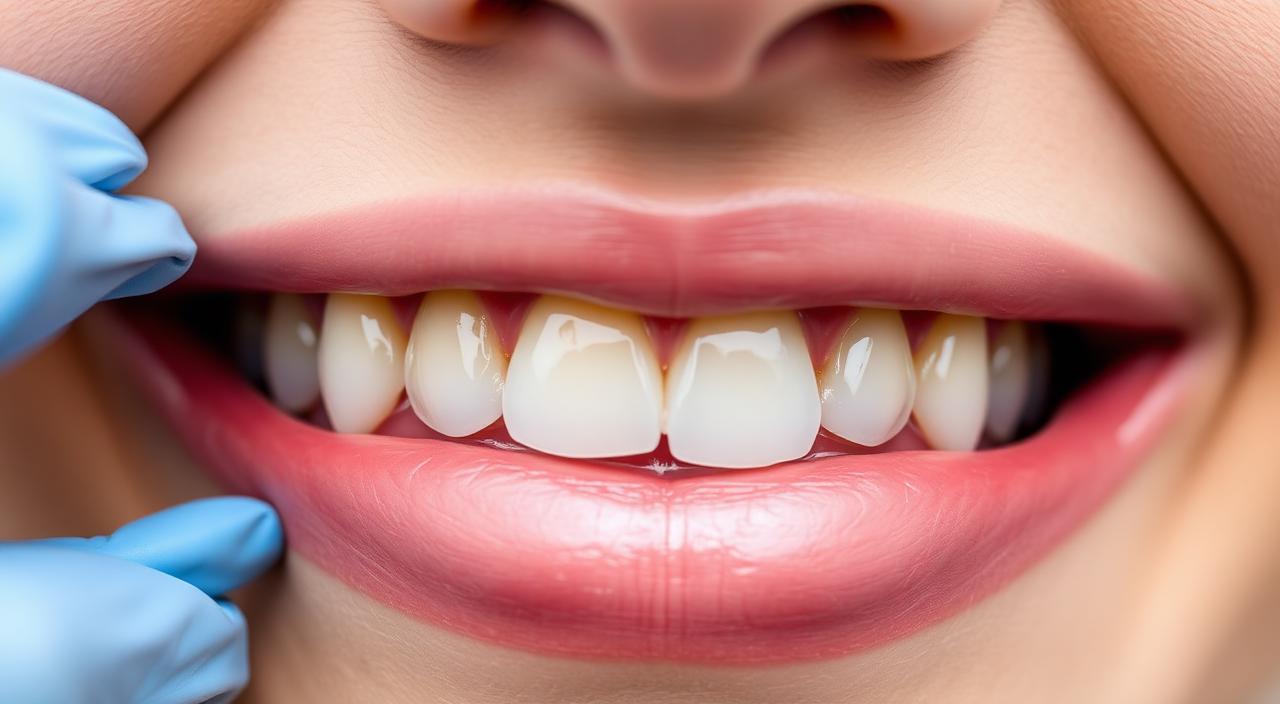
Modern porcelain used in veneer fabrication is translucent. It catches light subtly, has slight variations in tone, and behaves optically in a way that closely mirrors real tooth enamel. Good smile design takes into account the shade, shape, and proportion of each tooth in relation to the lips, gum line, and overall face.
When done thoughtfully, a set of veneers looks like a version of your own natural smile — brighter, more even, more consistent — but still recognisably yours. Nobody should be able to look at you and immediately identify that you have had cosmetic dental work.
Myth 3: Veneers Are Only for Celebrities
Veneers became associated with celebrity smiles in the 1990s largely because of the price point at the time. That has changed considerably. Composite veneers in particular have brought the cost of veneer treatment within reach of a much wider group of patients — and they can produce genuinely good results.
Across Delhi NCR, cosmetic dentistry has become significantly more accessible. Patients from a wide range of backgrounds seek veneer consultations — teachers, engineers, business owners, students approaching job interviews — for the same basic reason: they are unhappy with a specific aspect of their smile and want to address it.
Myth 4: Getting Veneers Is Extremely Painful
Veneer preparation is carried out under local anaesthetic. The numbing is usually very effective, and most patients feel little beyond mild pressure during the enamel trimming. Significant pain during the procedure is not a typical experience.
After the anaesthetic wears off, some sensitivity to temperature is normal for a few days to a week. This settles as the tooth adjusts to the new bonded surface. For the majority of patients, this is manageable without anything stronger than standard over-the-counter pain relief.
The bonding appointment — where the permanent veneers are cemented — involves no enamel removal and is typically completely comfortable.
Myth 5: You Can Just Remove Veneers If You Change Your Mind
This is where a clear-eyed conversation matters before going ahead with treatment. Veneers can be removed — the porcelain shell can be taken off and replaced. What cannot be reversed is the enamel reduction that took place during preparation.
So while the veneer itself is replaceable, the decision to have veneers is effectively permanent. After preparation, the tooth will always need to be covered with something. This is not a reason to avoid veneers; millions of patients are extremely happy with the decision — but it is a reason to make sure you are fully informed before agreeing to treatment.
For patients who are genuinely uncertain, no-prep veneers are worth discussing. They preserve the full tooth structure, making the decision less final.
Myth 6: Porcelain Veneers Stain Easily
Porcelain is significantly more stain-resistant than natural enamel. The glazed surface of a porcelain veneer does not absorb tea, coffee, or wine the way natural teeth do. Over many years, if the glaze wears down, some surface staining may appear — but this takes considerable time and is not the experience most patients have in the first decade.
Composite veneers are more porous and stain more readily over time; this is one of the practical differences between the two materials. With porcelain, the concern about staining that many patients carry is largely unfounded.
If you have questions about veneers or have heard something that made you hesitant, a consultation at The Dental Roots gives you the chance to get accurate, personalised answers. The team can assess whether veneers are appropriate for you and explain honestly what the process involves — including any limitations.
Related reading
Frequently Asked Questions
The Dental Roots Editorial Team
Written by our panel of specialist dentists & patient educators