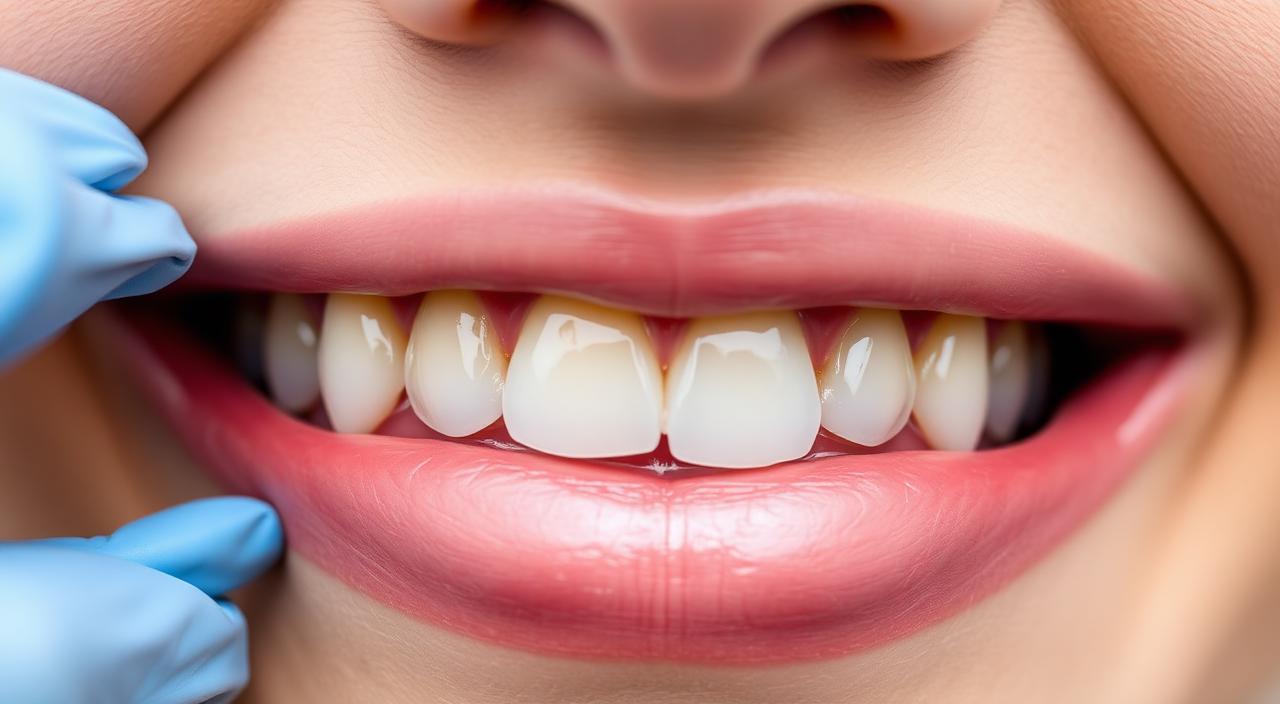
Veneers do not damage healthy teeth when they are planned correctly and placed by an experienced dentist. However, because a small amount of enamel is removed during preparation, the process is considered irreversible. That distinction matters — permanent is not the same as damaging, but it does mean the decision carries real weight and deserves a clear-eyed conversation before you commit.
What Actually Happens to Your Tooth
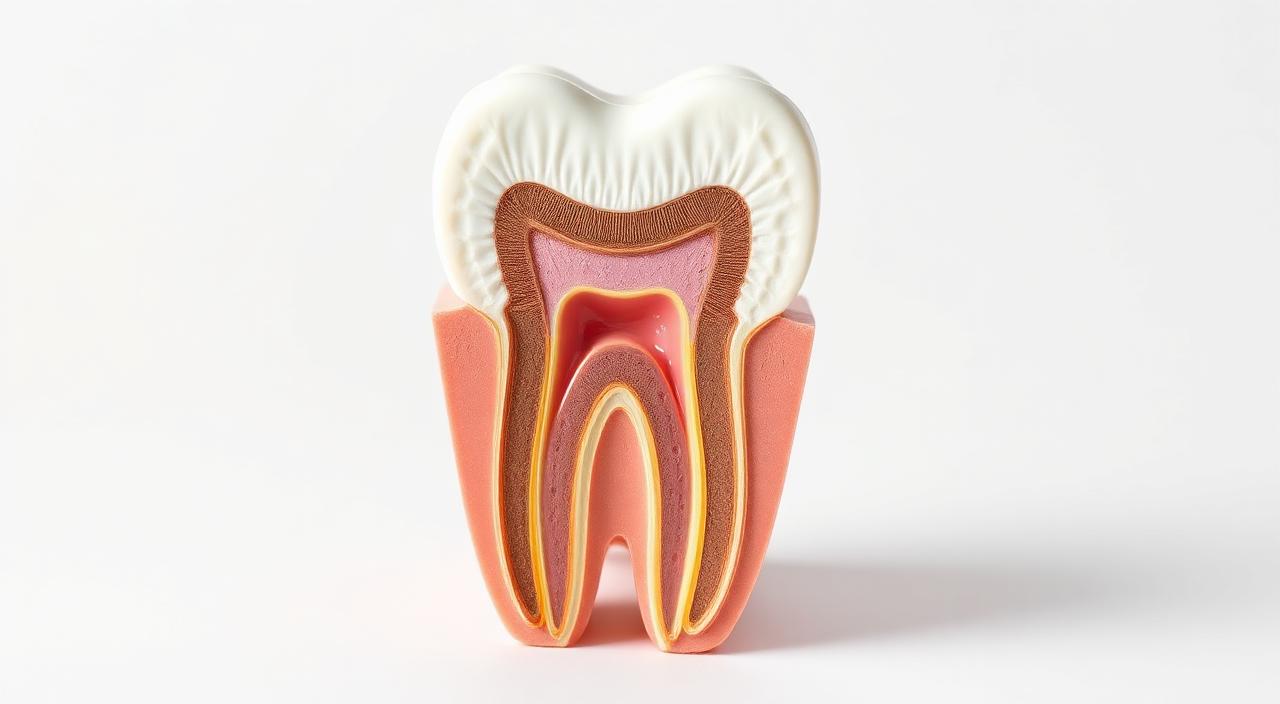
To place a veneer, a thin layer of enamel is removed from the front surface of the tooth — typically less than half a millimetre, comparable in thickness to a contact lens. This creates room for the veneer to sit flush rather than adding bulk to the tooth profile.
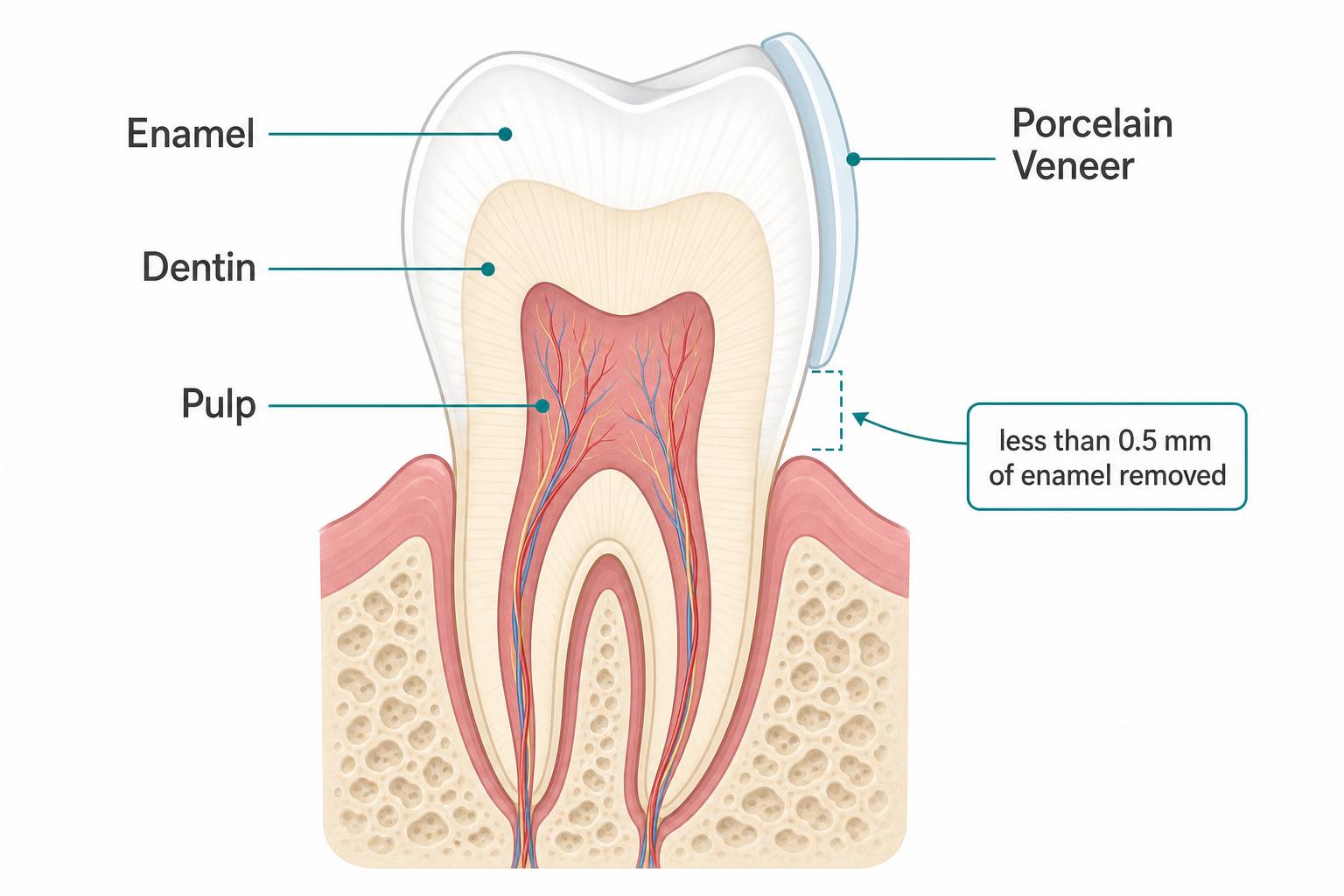
That enamel does not grow back. Once the surface is prepared, the tooth will always need a covering of some kind. That is not damaging in the conventional sense, but it is a permanent change that every patient deserves to understand clearly before agreeing to treatment. The conversation should happen at the consultation stage — not as an afterthought once you are already in the chair.
Do Veneers Weaken Teeth?
Not significantly, when the underlying tooth is healthy and the veneer is well-bonded. The veneer itself adds a layer of reinforcement to the front of the tooth. A correctly bonded porcelain veneer supports the tooth surface under normal everyday forces rather than weakening it; the ceramic material is hard and distributes load across the surface predictably.
Where problems arise is when the tooth had existing issues that were not addressed before placement — active decay, insufficient enamel, or structural compromise. Bonding relies on enamel for its grip. Without an adequate enamel substrate, the bond is weaker, and the tooth is more vulnerable long-term. This is why a thorough clinical assessment before treatment is not optional.
What Are No-Prep Veneers?
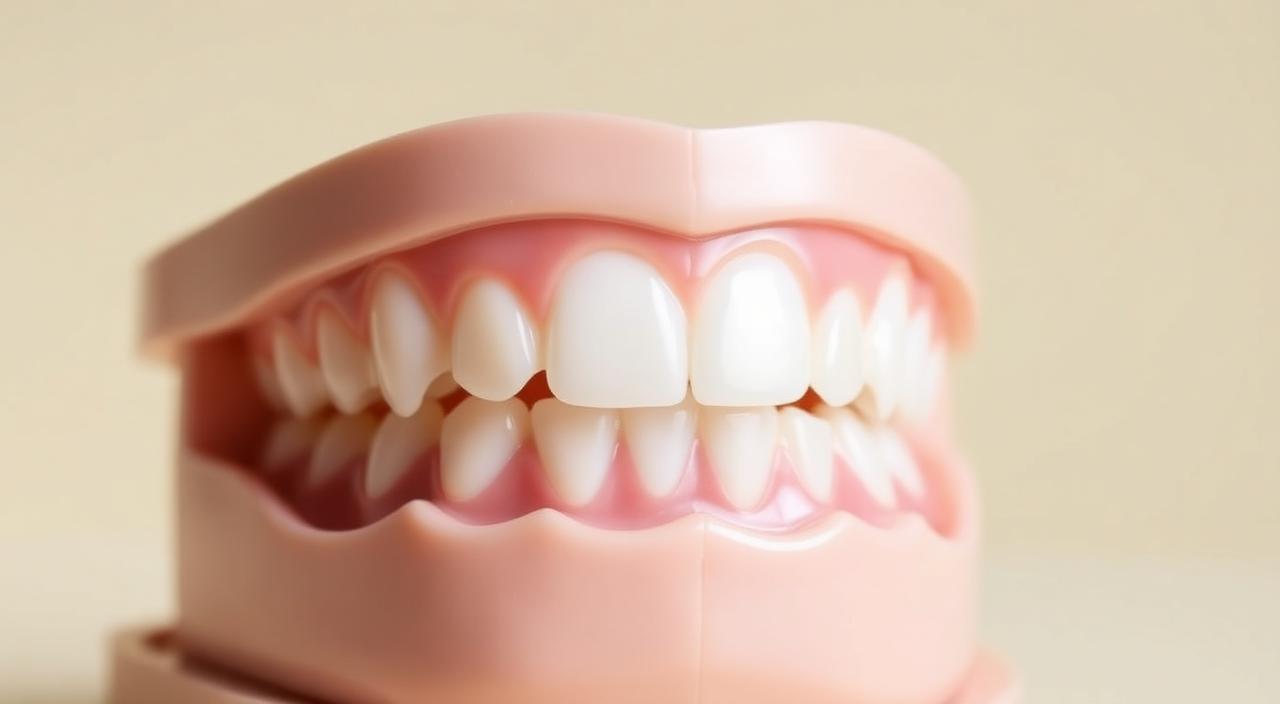
No-prep veneers — sometimes marketed as Lumineers or ultra-thin veneers — are placed with minimal or no enamel reduction. They are thinner than conventional veneers and bond directly to the existing tooth surface without the preparation step that makes conventional veneers irreversible.
The appeal is obvious: less or no enamel removed means the decision is closer to reversible. The limitation is that adding thickness to the existing tooth surface can make the result look or feel slightly bulky, depending on the size and position of the original tooth. No-prep veneers work well in specific situations — particularly where a tooth is already slightly undersized or recessed — but they are not a universal substitute for conventional veneers for every patient.
Is Enamel Removal for Veneers Permanent?
Yes. This is the most important thing to understand before agreeing to veneer treatment. There is no procedure that restores removed enamel. The tooth is permanently altered by preparation, regardless of what happens to the veneer placed on it afterwards.
When patients hear this, many assume the change is large. In reality, less than half a millimetre is removed from the front surface — only a very small amount in absolute terms. But small does not mean reversible. The informed consent conversation about this should happen clearly and unhurriedly at consultation, not as an afterthought. Patients who understand what they are agreeing to from the start tend to be satisfied with the outcome regardless of how minor the enamel change actually is.
Can You Reverse Veneer Treatment?
The veneer shell can be removed and replaced with a new one. What cannot be restored is the enamel that was trimmed during the original preparation. In practice, reversing veneer treatment means the tooth still needs to be covered with something — another veneer or eventually a crown. True reversal to the original untouched tooth is not possible, which is why veneers are described as an irreversible cosmetic procedure even though the specific veneer itself can be replaced when needed.
Do Veneers Cause Long-Term Sensitivity?
Short-term sensitivity after placement is common and expected. The tooth has had enamel removed and a new material bonded to its surface. Some adjustment period is entirely normal. Most patients find temperature sensitivity settles within one to two weeks without any intervention.
Long-term sensitivity — persisting beyond a month — is less common. When it occurs, it can sometimes indicate a bite adjustment is needed, or in rarer cases, pulp irritation from the depth of the preparation. It is worth flagging to your dentist promptly — early attention is usually straightforward to resolve and prevents a minor issue from becoming a more involved one.
Veneer Risks Worth Knowing
Veneers are not risk-free. Beyond the permanent enamel change, a few other risks are worth understanding before treatment:
- Veneer fracture from trauma or heavy unmanaged grinding
- Colour mismatch if surrounding natural teeth darken significantly over time
- Gum recession revealing the margin between the veneer and the tooth root
- Debonding — the veneer coming loose, uncommon when bonding technique is correct
Most of these risks are manageable and relatively uncommon in patients who start with healthy teeth, undergo thorough assessment, and maintain consistent aftercare. A skilled dentist, proper preparation, and good ongoing hygiene address the majority of them before they develop into anything significant.
Key Takeaways
Veneers involve permanent enamel removal. The amount is small, but the tooth will always need a covering from that point forward. Placed correctly on a healthy tooth, veneers do not weaken it and can actually reinforce the surface. No-prep veneers preserve more enamel but suit specific cases rather than every patient. Short-term sensitivity after placement is normal and expected; anything persisting beyond a few weeks is worth raising promptly with your dentist. The decision to get veneers should always be made with a clear understanding that the enamel change is permanent, even though the veneer itself can be replaced when the time comes.
Related reading
Frequently Asked Questions
The Dental Roots Editorial Team
Written by our panel of specialist dentists & patient educators