One of the first questions patients ask before getting implants is surprisingly simple: “Will this actually last long term?” It makes sense. Dental implants are not something people want to redo every few years. Most patients considering implants are already tired of repeated dental work, loose dentures, broken crowns, or ongoing problems with missing teeth. They want something stable that does not constantly need attention.
The short answer is that dental implants can last for decades. But the longer answer matters more because implants do not all fail for the same reasons, and longevity depends heavily on what happens after the procedure is finished.
At The Dental Roots, implant planning focuses not just on placing the implant itself, but on building long-term stability through proper bone support, gum health, bite balance, and maintenance.
Dental Implant Lifespan
A lot of people assume implants have an “expiry date” the way other dental treatments sometimes do. It does not work exactly like that. The titanium implant post placed inside the jawbone is designed to function for many years. In many patients, it remains stable for decades without needing replacement.
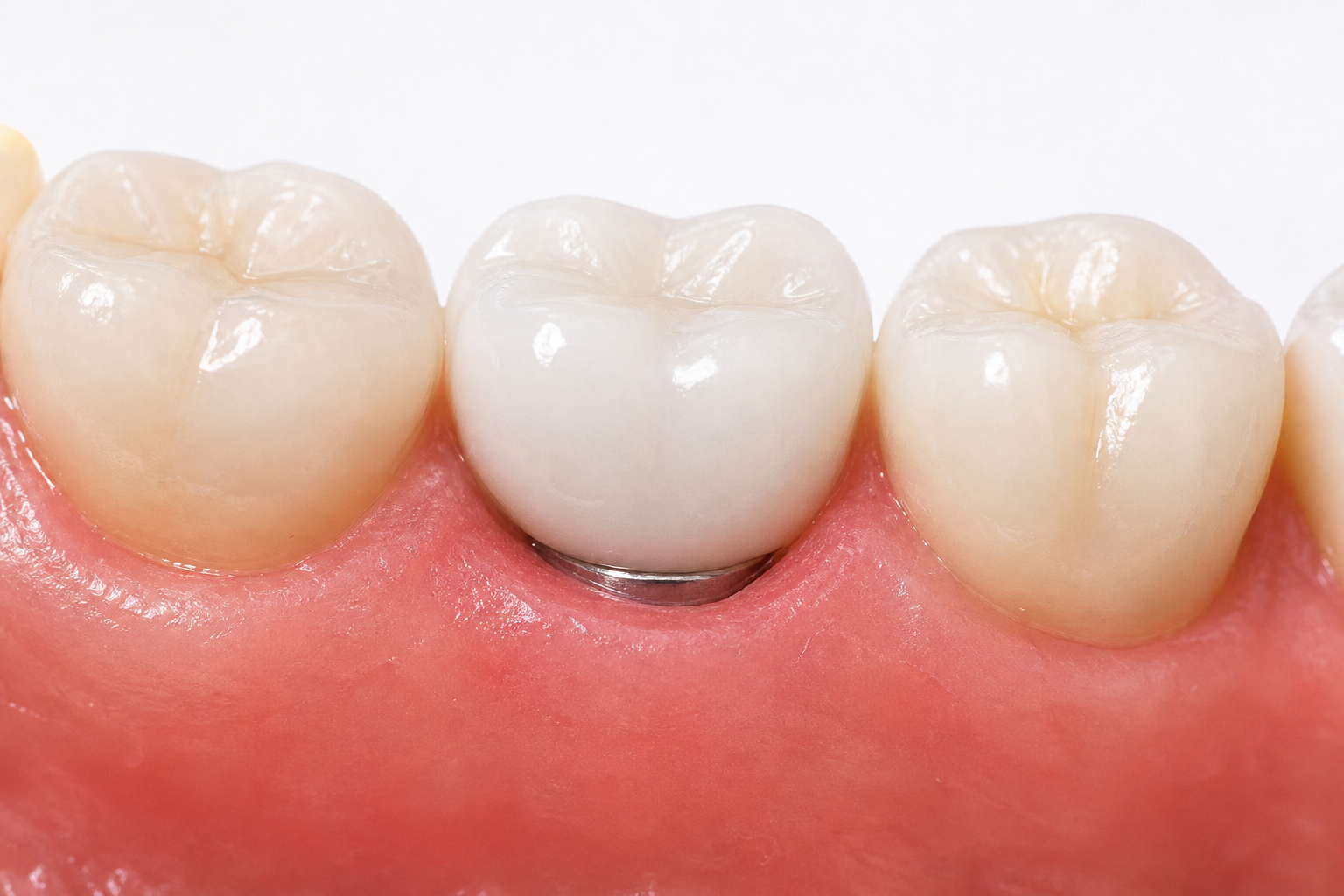
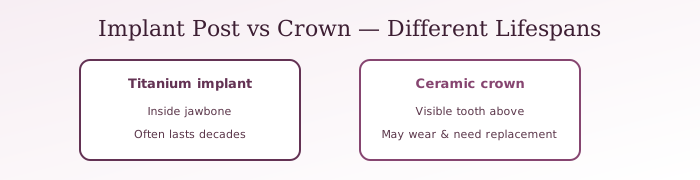
What people often confuse is the difference between the implant itself and the crown attached above it. The implant is the artificial root inside the bone. The crown is the visible tooth sitting on top. The crown may eventually wear down and need replacement after years of chewing pressure, especially in patients who grind their teeth heavily. The implant underneath can still remain completely healthy.
That distinction matters because patients often hear someone say, “My implant needed replacement,” when in reality only the crown was changed.
Do Dental Implants Last a Lifetime?
Sometimes they do. There are patients still functioning well with implants placed decades ago. But no ethical dentist can realistically promise every implant will last forever. Too many things affect long-term outcomes: smoking, gum disease, diabetes, teeth grinding, poor oral hygiene, bone loss, and bite pressure.
Some patients maintain implants beautifully for twenty or thirty years because they clean properly and attend regular maintenance visits. Others develop problems much earlier because inflammation builds around the implant over time. The implant itself is strong. The surrounding bone and gum health are what usually determine how long things remain stable.
The Quiet Problem Patients Usually Don’t Notice Early
Implants do not get cavities the way natural teeth do. That makes some patients assume they require less maintenance. Actually, the surrounding gums become even more important after implant placement.
One of the most common long-term problems affecting implants is peri-implantitis. This is inflammation and bone loss developing around the implant because bacteria and plaque accumulate near the gums. The difficult part is that it often develops quietly.
Patients may not notice pain initially. Sometimes the first signs are bleeding while brushing, slight swelling around the implant, bad taste, gum tenderness, or loosening much later. That is one reason regular maintenance visits matter even years after implant placement. The implant itself can remain perfectly strong while the surrounding support slowly weakens underneath.
How Durable Are Dental Implants?
People are often surprised by how strong implants actually are once healing finishes. After osseointegration happens, the implant becomes locked into the jawbone very firmly. Most patients eventually stop thinking about the implant completely during daily life. Chewing feels stable again. Speaking feels natural. Eating becomes less cautious.
Implants are designed to tolerate normal biting pressure extremely well. But “strong” does not mean indestructible. The visible crown can still chip or wear over time, especially in patients who grind their teeth during sleep, clench heavily, or bite hard objects regularly. That is why some implant patients are advised to wear night guards if grinding becomes a concern.
Implant Failure Causes
When implants fail, patients usually assume the surgery itself went wrong. Sometimes the problem develops years later instead.
Early implant failure often relates to poor healing, infection, insufficient bone integration, smoking during recovery, or excessive pressure too soon.
Late implant failure is more commonly linked to gum inflammation, bone loss around the implant, poor oral hygiene, long-term smoking, or chronic grinding pressure.
A lot of patients think implant failure happens suddenly. Usually, warning signs appear gradually long before complete failure happens. That is why regular monitoring matters.
Bone Integration Timeline

One thing patients underestimate is how important healing time is. After the titanium implant post is placed inside the jawbone, the surrounding bone slowly begins attaching itself to the implant surface. Dentists call this osseointegration. This process cannot be rushed.
The gums may look healed within weeks, but the deeper bone continues adapting for months underneath. For many patients, early gum healing happens within days to weeks, stronger bone integration develops over three to six months, and full stabilization continues gradually afterward. That slow healing phase is what gives implants long-term strength later.
How Long Do Implants Last With Proper Care?
With good maintenance, implants can remain stable for decades. The patients who usually do best long term are not necessarily the ones with the “best implants.” They are often the people who maintain the surrounding gums consistently.
That means brushing properly every day, cleaning around implants carefully, attending professional cleaning visits, managing gum inflammation early, and avoiding smoking if possible. Small habits matter more over twenty years than most people realize initially.
Implant Crown Replacement
The crown attached above the implant generally wears faster than the implant itself. This is normal. Chewing pressure, grinding, and regular daily use slowly affect the visible crown over time just like they affect natural teeth. Some crowns last well over a decade before replacement becomes necessary. Others may chip earlier because of heavy bite force or grinding habits.
Replacing the crown is usually much simpler than replacing the implant because the implant itself often remains stable inside the bone.
Implant Maintenance Tips
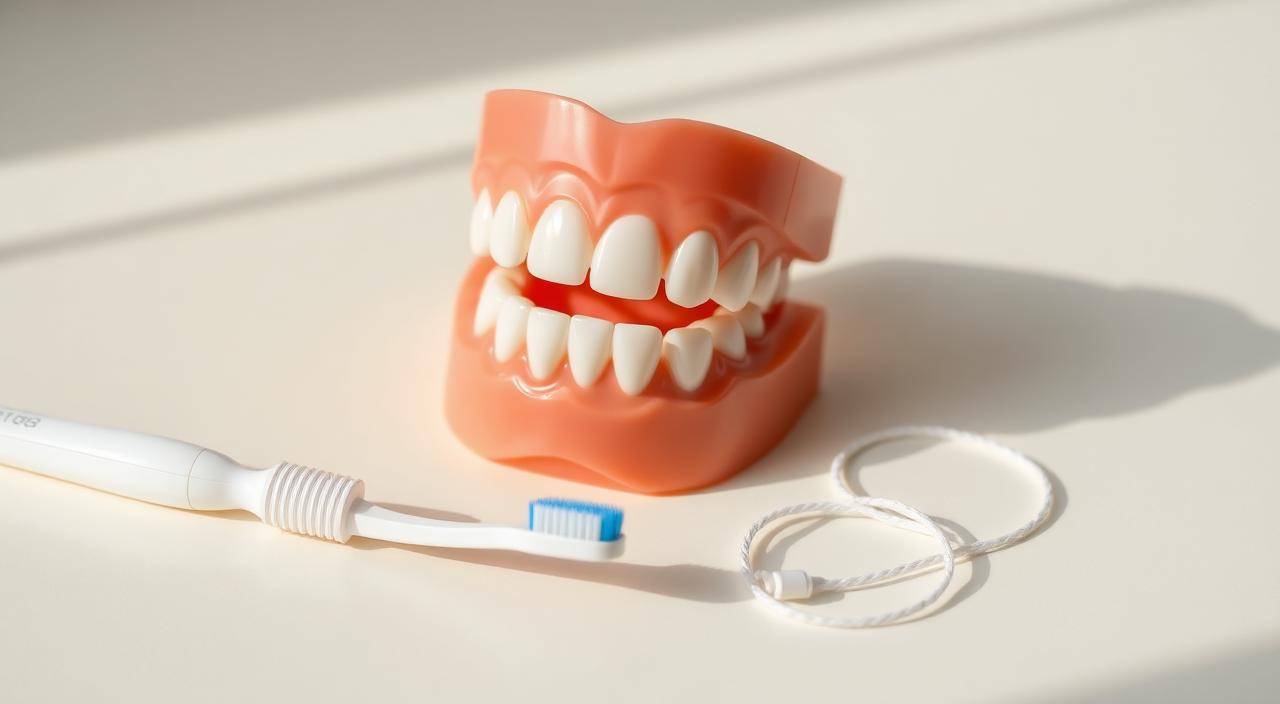
A lot of implant problems are preventable with regular care. Dentists usually recommend brushing twice daily, cleaning between teeth properly, using floss or interdental brushes, professional cleaning visits, and monitoring gum inflammation early.
Patients sometimes become less careful with implants because they know implants cannot decay. The surrounding gums still absolutely matter. Healthy bone and gum support are what keep implants stable long term.
What Patients Usually Notice Years Later
Patients rarely talk about implant success in technical terms. They usually describe it differently. They say things like “I stopped thinking about the missing tooth,” “It just feels normal now,” “I can eat comfortably again,” or “I forgot it was even an implant.” That is usually the real goal long term — not just replacing a tooth, but reaching a point where the replacement stops feeling like dental treatment at all.
Frequently Asked Questions
The Dental Roots Editorial Team
Written by our panel of specialist dentists & patient educators