How long veneers last depends on the material, how well they were placed, and what you do in the years that follow. Porcelain veneers generally last 10 to 15 years. Composite veneers usually need attention within five to seven. Neither figure is fixed. Some porcelain veneers still perform well at 20 years. Others need replacing at eight or nine. The range exists because the person wearing them has as much influence over the outcome as the material itself.
Porcelain Veneer Durability
Porcelain is a hard ceramic material. It resists staining, does not wear the way natural enamel or composite resin does, and holds its shape under normal daily use. Once bonded correctly, it becomes a stable part of the tooth surface.
The quality of bonding matters more than most patients realise. A veneer that was properly etched, primed, and cemented behaves very differently from one that was rushed or poorly prepared. Premature failure of a veneer — coming loose, fracturing, or lifting at the margin — is often a bonding issue rather than a material one. This is one reason why the experience of the dentist matters, not just which laboratory fabricated the shell.
Composite Veneer Longevity
Composite resin is softer than ceramic. It wears faster, absorbs staining from food and drink, and tends to change in appearance before it physically fails. Many patients notice composite veneers looking slightly different — a little more yellow, or the surface less smooth — within a few years of placement.
The trade-off is repairability. A chip or worn area can usually be built back up at the chair using matching resin. That flexibility makes composite practical for patients who want to maintain the result without committing to full replacements. It also makes composite a reasonable first step for patients who are not yet ready for the full commitment of porcelain.
What Causes Veneers to Fail?
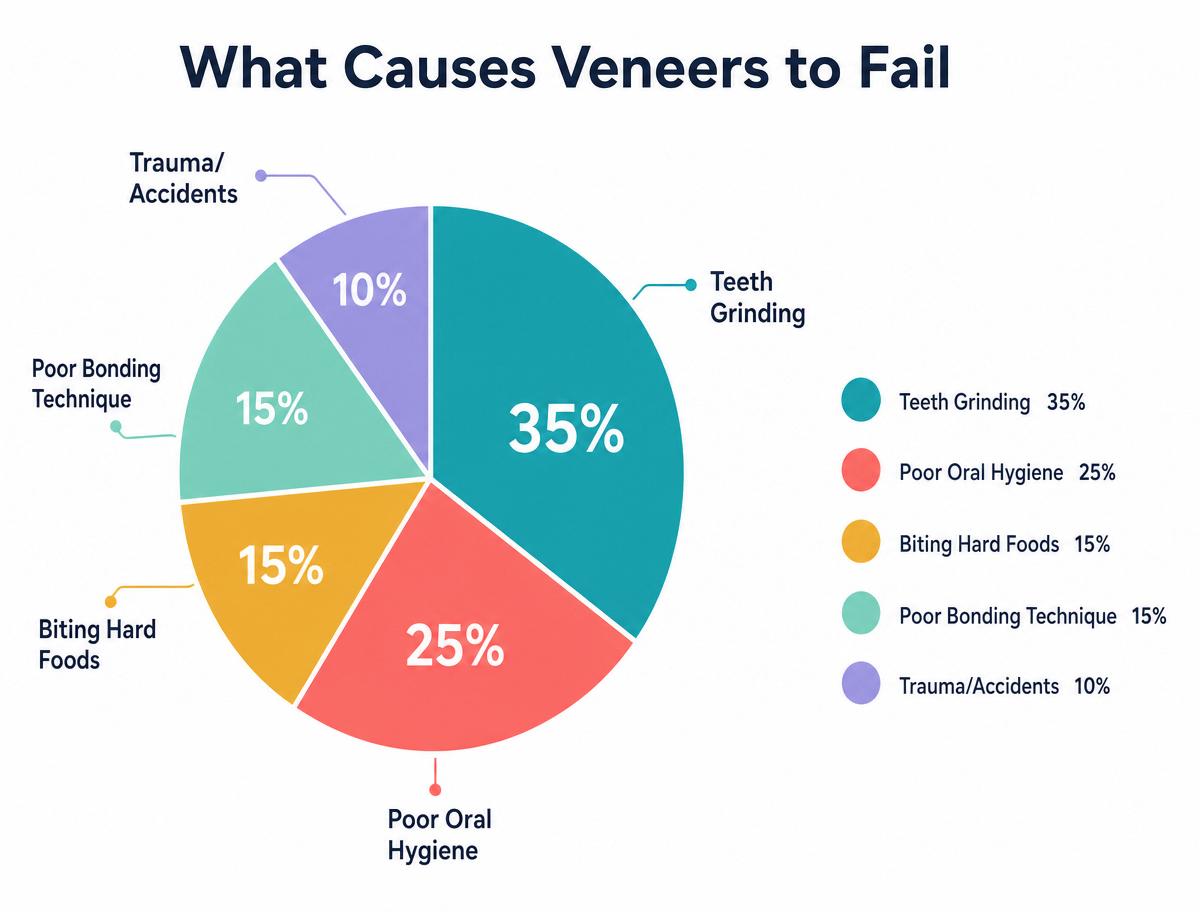
The most common causes of early veneer failure are:
- Teeth grinding — repeated pressure fractures ceramic and accelerates composite wear
- Biting directly into unusually hard foods with veneered front teeth
- Poor oral hygiene leading to gum recession or decay forming at the veneer margin
- Trauma — a knock or fall that catches the front teeth directly
- Poor bonding technique at the time of the original placement
Most failures in practice are gradual, caused by repeated low-level stress over years rather than one dramatic event. The grinding issue stands out as both particularly common and particularly preventable; a custom night guard addresses it directly and is one of the best investments a veneer patient can make.
Can Veneers Last 20 Years?
Some can. It is not the average outcome, but it is a realistic one for patients who had high-quality placement and have been consistent with their care. The ceramic material does not degrade the way organic tissue does. What changes over time is the bonding interface, the gum margin, and the surrounding natural teeth — not the porcelain itself.
Patients who reach 20 years with their original veneers intact almost always wore night guards when grinding was a factor, attended regular hygiene appointments, and avoided the habits — nail biting, biting hard foods front-on, using teeth as tools — that place veneers under avoidable stress.
Do Veneers Need to Be Replaced?
Eventually, yes. No veneer is permanent. The veneer itself may remain intact for many years, but the gumline naturally shifts with age. When the margin between the veneer and the natural tooth becomes visible as a gap, a dark line, or exposed root structure, replacement is usually the appropriate next step.
Replacement follows a similar process to the original placement. The existing veneer is carefully removed and a new one is fabricated and bonded. Some additional enamel reduction may be required over successive replacements, which is another reason why the initial decision to get veneers is considered irreversible even though the individual veneer can be swapped out.
How to Make Veneers Last Longer
A few consistent habits make a real difference to how long veneers hold up:
- Wear a custom night guard if you grind or clench — this single step matters more than anything else for patients who do
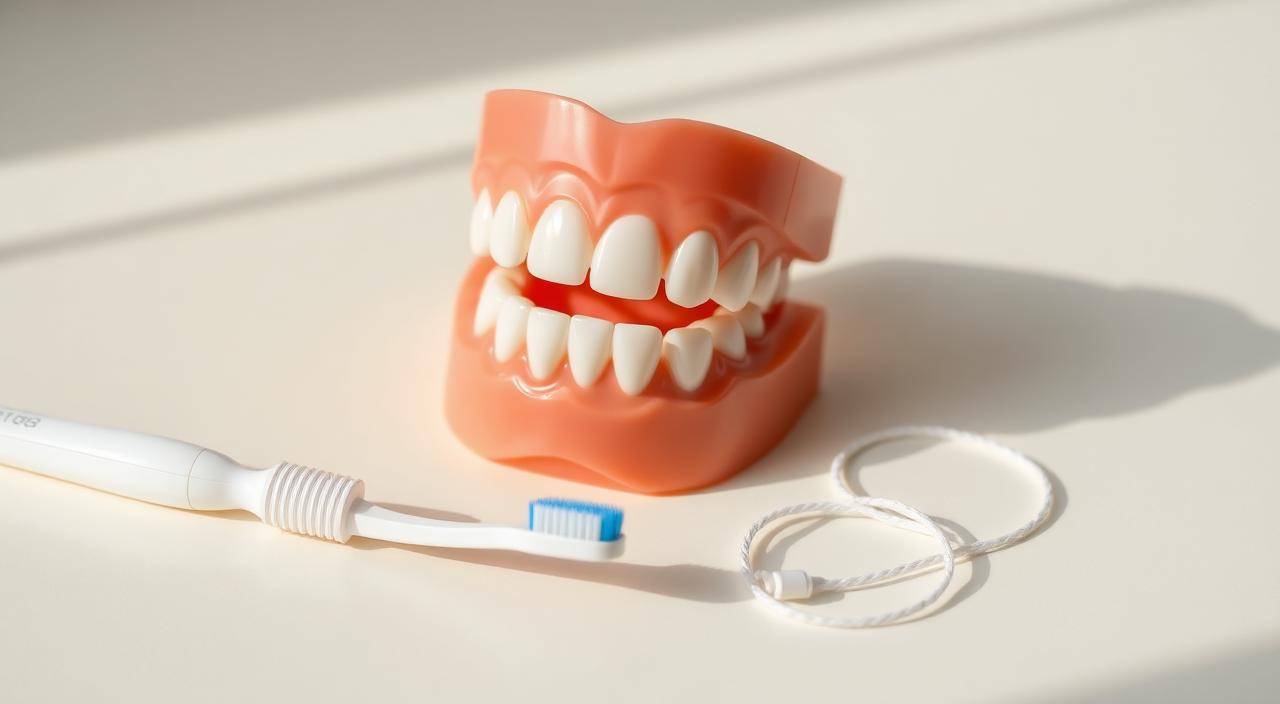
- Use a soft-bristled toothbrush and a non-abrasive fluoride toothpaste
- Floss daily, including carefully around the veneer margins at the gum line
- Avoid biting fingernails, pens, or packaging with your front teeth
- Attend a hygiene and check-up appointment every six months without gaps
None of these are complicated or time-consuming. They are extensions of good general dental care, applied with a little extra awareness of the veneers and what stresses them.
It is also worth attending hygiene appointments even when nothing feels wrong. The margins around veneers — where the porcelain meets the gum and the natural tooth — are the areas most prone to slow deterioration. A hygienist can clean those areas more thoroughly than a toothbrush and catch early changes before they become structural issues. That kind of routine monitoring is what keeps a set of veneers performing well for the long end of the lifespan range.
Key Takeaways
Porcelain veneers typically last 10 to 15 years; composite veneers usually need replacing within five to seven. Grinding is the most preventable cause of early failure — a night guard addresses it directly. Some porcelain veneers reach 20 years or beyond, but consistent care from the outset is what makes that possible. Replacement is always an option when the time comes, following a similar process to the original placement. The habits that extend veneer lifespan are not complicated; they are just standard good dental hygiene applied with a little more consistency and awareness.
Frequently Asked Questions
The Dental Roots Editorial Team
Written by our panel of specialist dentists & patient educators