One of the biggest reasons people delay dental implants has nothing to do with cost. It is fear. Not fear of the implant itself necessarily. Mostly fear of the procedure. Patients hear the word “implant surgery” and immediately imagine something extremely painful, complicated, or difficult to recover from.
A lot of people walk into consultations expecting the experience to feel intense. Then they go through it and say the same thing afterward: “That was much easier than I expected.” At The Dental Roots, one of the most common concerns patients bring up before treatment is pain during and after implant placement. The reality is usually far less dramatic than the fear people build in their heads beforehand.
Is Dental Implant Surgery Painful?
During the procedure itself, patients generally do not feel pain. The area is numbed properly using local anesthesia before the implant is placed. Most people mainly notice pressure, vibration, movement, and sounds from dental instruments.
That tends to surprise patients afterward because they expected sharp pain during surgery. The experience feels very different from what many imagine beforehand. In straightforward cases, implant placement is often less uncomfortable than people expect from hearing the word “surgery.”
What Implant Pain During Surgery Actually Feels Like
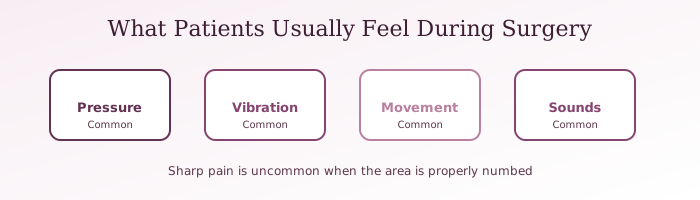
Patients often expect the procedure to feel similar to severe tooth pain. It usually does not. Once the area becomes numb, people mostly become aware of pressure rather than pain itself. Some patients describe it as feeling like someone pushing firmly against the jaw. Others mainly notice vibration from the instruments.
The emotional anticipation beforehand is often worse than the actual procedure. That is especially true for patients who spend days reading frightening stories online before treatment.
Local Anesthesia for Implant Placement
Local anesthesia is what makes implant procedures comfortable for most patients. The medication temporarily blocks pain signals in the treatment area while the dentist places the implant. Patients remain awake during the procedure, but the mouth stays numb enough that sharp pain is generally not felt.
For nervous patients, sedation dentistry options may also be discussed, including mild oral sedation, conscious sedation, or relaxation techniques during treatment. This is especially common for patients getting multiple implants, undergoing longer procedures, or feeling extremely anxious about dental treatment.
Dental Implant Pain After Procedure
This is usually the part patients worry about most. Not the surgery itself, but what happens later once the numbness wears off. The first evening after implant placement is usually more about soreness and swelling than severe pain.
Most patients experience mild throbbing, tenderness around the gums, slight swelling, tightness while chewing, and discomfort opening the mouth fully. The level of discomfort varies depending on number of implants placed, bone grafting requirement, surgical complexity, and individual healing response.
A single implant often heals more comfortably than patients expect. More extensive full mouth implant procedures naturally involve more recovery discomfort because larger areas are treated.
How Much Pain After Dental Implant Surgery Is Normal?
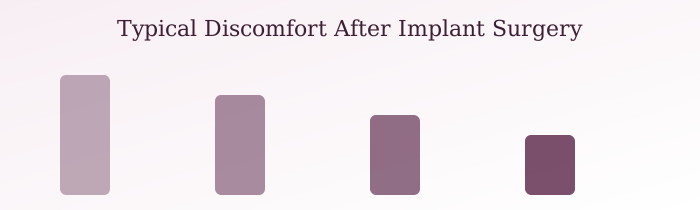
Most patients feel the strongest discomfort during the first two or three days. After that, things usually improve steadily. People often describe the recovery as more annoying than painful, similar to extraction soreness, and manageable with medication.
Soft food, ice packs, rest, and prescribed pain relief are usually enough for routine recovery. Pain that becomes worse several days later instead of improving is not considered normal and should be checked immediately.
Recovery Is Usually Quieter Than People Expect
A lot of patients imagine implant recovery as something dramatic. For many people, it feels surprisingly uneventful. The gums heal gradually. Swelling settles down. The soreness becomes less noticeable every day. Then healing continues quietly underneath the surface for months while the bone adapts around the implant.
That part surprises people because externally everything may already look normal. Internally, though, the surrounding bone is still stabilizing around the titanium implant post through osseointegration. That healing stage matters much more for long-term success than the first few days of soreness.
Post-Operative Swelling
Swelling after implant placement is extremely common. It usually peaks during the first 48 hours and the second day after surgery, then gradually starts reducing. Some patients also notice mild bruising, jaw stiffness, and tenderness while chewing. Ice packs during the first day or two often help reduce swelling significantly. Sleeping with the head slightly elevated may also improve comfort during the first few nights.
Normal Pain vs Complication Signs
Mild discomfort is expected after implant surgery. Certain symptoms, however, should not be ignored. Patients should contact their dentist if they notice pain becoming worse after several days, fever, significant swelling increasing suddenly, persistent bleeding, pus or unusual discharge, or implant mobility.
Most implant recoveries progress normally without major complications, but monitoring unusual symptoms early remains important.
Sedation Dentistry Options
Some people are not afraid of pain itself. They are afraid of the idea of dental treatment generally. That anxiety is extremely common. For nervous patients, sedation options may help make the experience feel calmer and less stressful. Depending on the case, dentists may discuss oral sedation, conscious sedation, or relaxation methods during surgery. Patients undergoing full mouth implants or longer procedures are more likely to explore these options.
Pain Management After Implant Surgery
The recovery instructions after surgery are usually simple. Most dentists recommend taking prescribed medication properly, eating softer foods initially, avoiding smoking, avoiding very hot foods early on, and resting adequately for the first couple of days. Smoking is especially important because it can interfere with healing around the implant and increase complication risk. Patients who follow recovery instructions carefully generally heal more comfortably.
Is Implant Surgery More Painful Than Tooth Extraction?
A lot of patients who have experienced both procedures say implants feel easier than expected compared to extractions. That surprises many people. Tooth extractions often involve infection or active inflammation beforehand, which can make the area more painful initially. Implant placement is usually performed in a controlled environment after the area is fully numb. Recovery experiences vary between patients, but many people report less discomfort than they anticipated before treatment.
What Most Patients Say Afterward
Patients rarely describe implants afterward using technical language. Most simply say “I expected it to hurt much more,” “The waiting beforehand was worse,” “The soreness was manageable,” or “I built it up too much in my head.” That reaction is common because fear before treatment is often much larger than the actual physical discomfort itself.
Frequently Asked Questions
The Dental Roots Editorial Team
Written by our panel of specialist dentists & patient educators