Porcelain veneers vs composite veneers is one of the most common comparisons patients raise during a consultation. Both genuinely improve a smile. But they are different materials made through different processes, and they come with different trade-offs. The right choice depends on your teeth, your priorities, and how you weigh short-term convenience against long-term performance.
How the Two Materials Are Made
Porcelain veneers are fabricated in a dental laboratory. After the tooth is prepared, an impression or digital scan goes to the lab where the veneer is custom-crafted as a thin ceramic shell. It comes back to the clinic for bonding at a second appointment — usually one to two weeks later. The time gap exists because precision matters; a porcelain veneer that fits poorly or looks slightly off will be obvious every time the patient smiles.
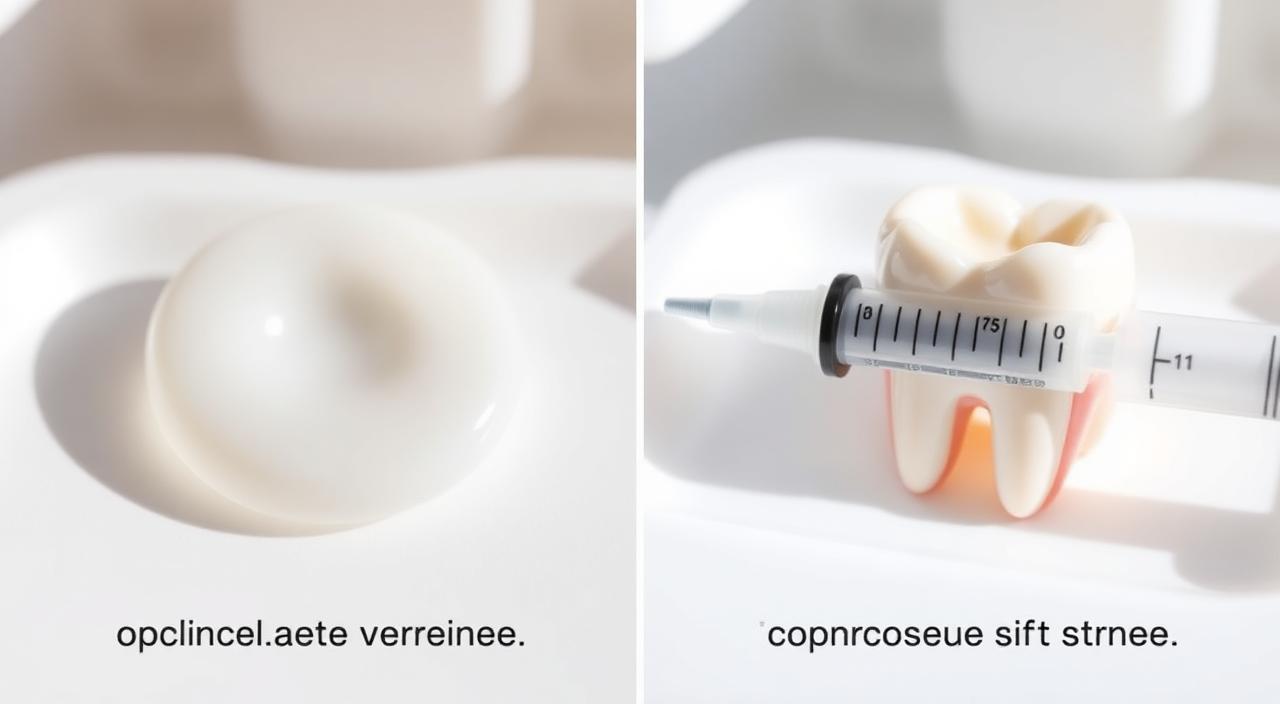
Composite veneers are built directly on the tooth at the chair. The dentist applies layers of tooth-coloured resin, shapes them by hand, and polishes the result in a single visit. No lab is involved. What you see when you leave is the finished product. The entire process takes one appointment rather than two or three, which is a significant practical advantage for many patients.
For patients who are anxious about the overall process, the single-visit nature of composite is often reassuring — there are no impressions, no temporaries, and no waiting period. The result is immediate, and if something needs a minor tweak, it can often be adjusted at the same appointment.
Which Looks More Natural?
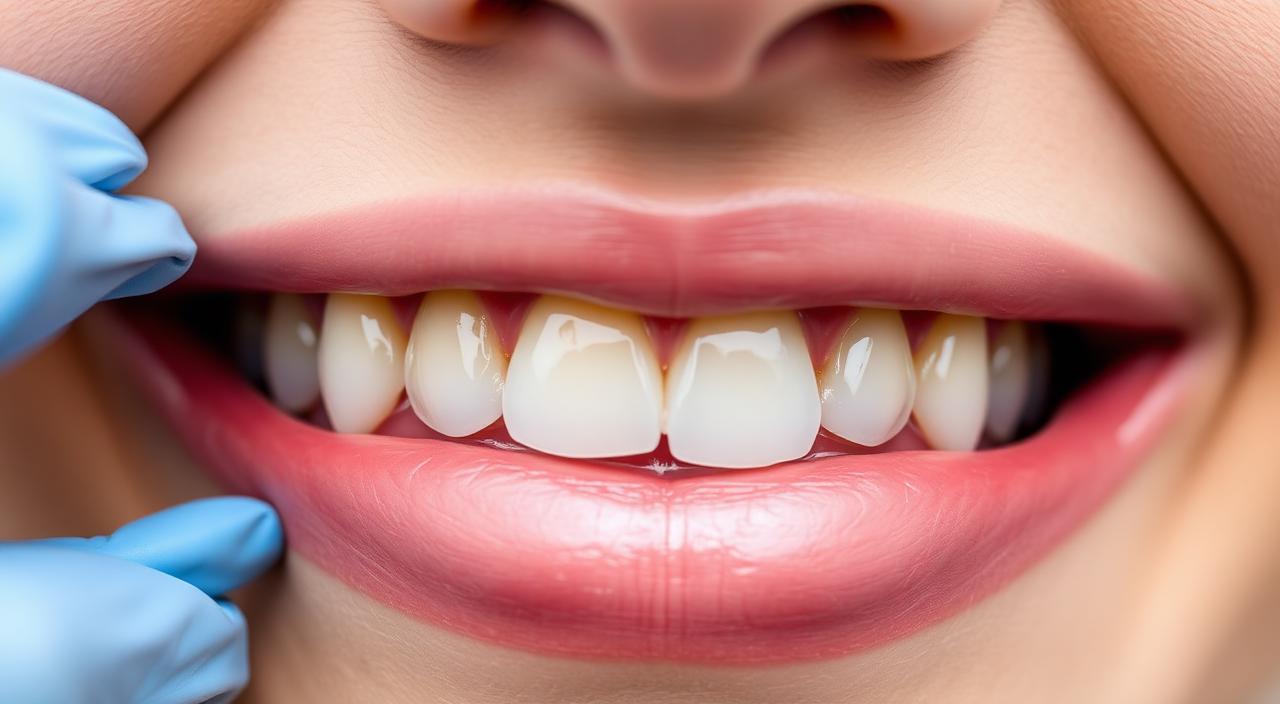
Porcelain has a natural advantage when it comes to long-term appearance. Ceramic interacts with light in a way that closely mirrors real tooth enamel — it transmits light subtly rather than reflecting it flat. When the shade and shape are well planned, the result is something most people find genuinely difficult to tell apart from a natural tooth.
Composite can also look convincing — particularly right after polishing, when the surface is smooth and the shade is fresh. The problem shows up over time. Composite is more porous than ceramic, so it absorbs staining from tea, coffee, and wine more readily. After a few years, the original colour match can shift noticeably, and the surface may appear duller than it did initially.
Veneer Durability: Which Lasts Longer?
Porcelain veneers typically last 10 to 15 years. Some patients keep theirs considerably longer with consistent care. The ceramic material resists daily wear, holds its shape, and does not absorb staining in the way natural enamel or composite does.
Composite veneer longevity is shorter — usually five to seven years before replacement or significant recontouring is needed. That said, composite has one clear practical advantage over porcelain: repairability. A small chip in a composite veneer can often be fixed at the chair in a single visit using matching resin. A fractured porcelain veneer generally needs to be fully remade and re-bonded.
The Cost Difference
Composite veneers cost less. The reason is straightforward — no laboratory fabrication, lower material costs, and a single appointment rather than two or three. For patients who want to improve their smile at a lower upfront investment, composite is a reasonable starting point.
The cost gap does narrow over time. Composite may need replacing twice in the period a porcelain veneer would still be performing well. When you calculate total spend across 10 to 15 years, the difference is often smaller than the per-veneer price initially suggests. For patients thinking long-term, porcelain tends to be the more cost-effective investment overall.
How the Procedure Differs
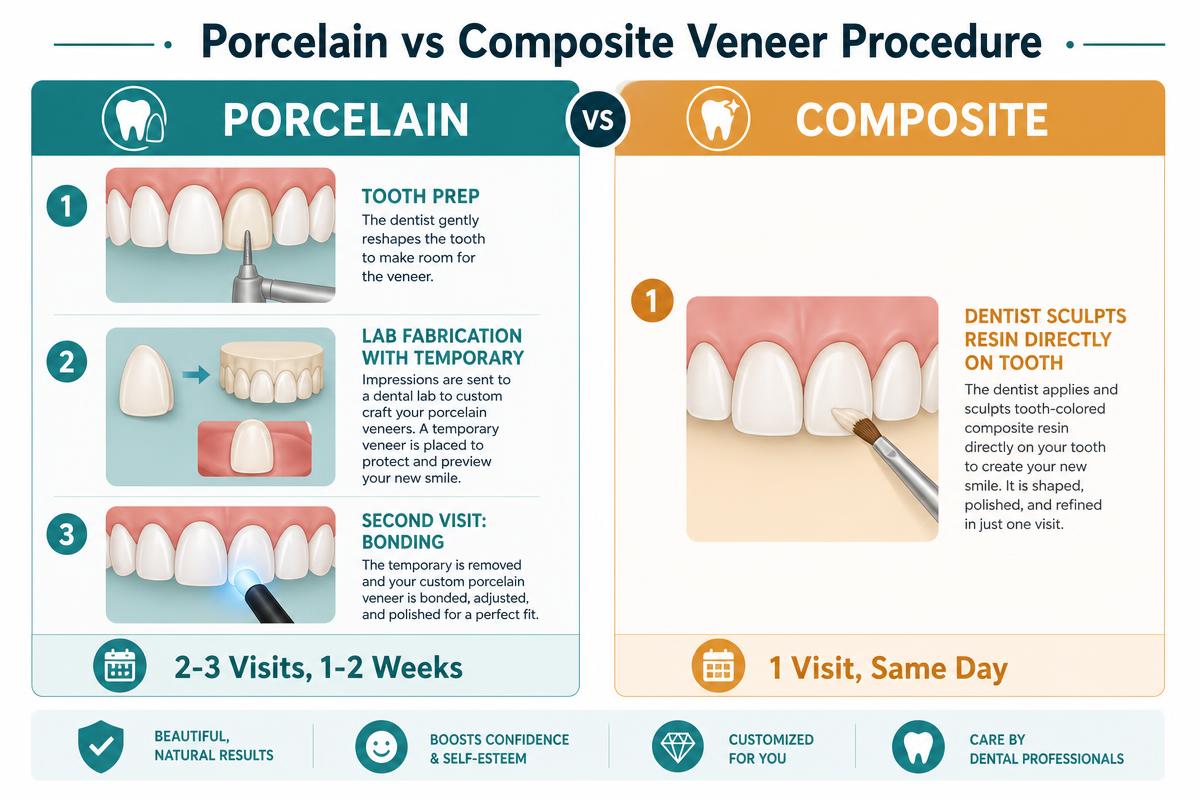
With porcelain, you typically need at least two appointments. The first involves preparing the tooth and taking impressions or a digital scan. Temporary veneers are placed while the lab fabricates the permanent ones. The second appointment is the bonding session where the final veneers are fitted and cemented. Some patients find the two-week waiting period with temporaries in place slightly uncomfortable — most adapt within a day or two.
Composite is done in one visit. The dentist sculpts the material directly onto the tooth and polishes it before you leave. There is usually less enamel removal involved as well, which some patients consider an advantage.
Do Porcelain Veneers Stain?
Porcelain resists staining very well. The glazed surface acts as a barrier against pigments from food and drink. Tea, coffee, and red wine that stain natural teeth do not typically affect porcelain in the same way. Over many years, if the glaze gradually wears, some surface staining may eventually appear — but this takes considerable time under normal use.
Composite stains more visibly and more quickly. Patients with composite veneers are generally advised to attend regular polishing appointments and to be more mindful of heavy staining drinks in order to maintain the surface appearance over time.
Which Is the Better Choice?
There is no single answer that works for every patient. If longevity and a natural appearance are the priority and budget allows, porcelain tends to be the better long-term investment. If you want a faster result, a lower upfront cost, or a less committed first step, composite is a sensible route. The material that suits you depends on your teeth, your lifestyle, and what you are hoping to achieve. A consultation is the right place to work through that.
Key Takeaways
Porcelain veneers are fabricated in a lab and bonded at a second appointment; they last 10 to 15 years, resist staining, and tend to look most natural over time. Composite veneers are completed in a single visit, cost less upfront, and can be repaired if chipped — but stain more readily and need replacing sooner. Neither is universally the better option. The right choice depends on your budget, your timeline, and how long you want the result to last without further intervention.
Related reading
Frequently Asked Questions
The Dental Roots Editorial Team
Written by our panel of specialist dentists & patient educators