Most of the nerves patients bring into a veneer consultation come from not knowing what they are agreeing to. Once the process is explained clearly — what each appointment involves, how long it takes, and what the in-between periods feel like — most of that uncertainty goes away. Here is exactly what the veneer procedure looks like from start to finish.
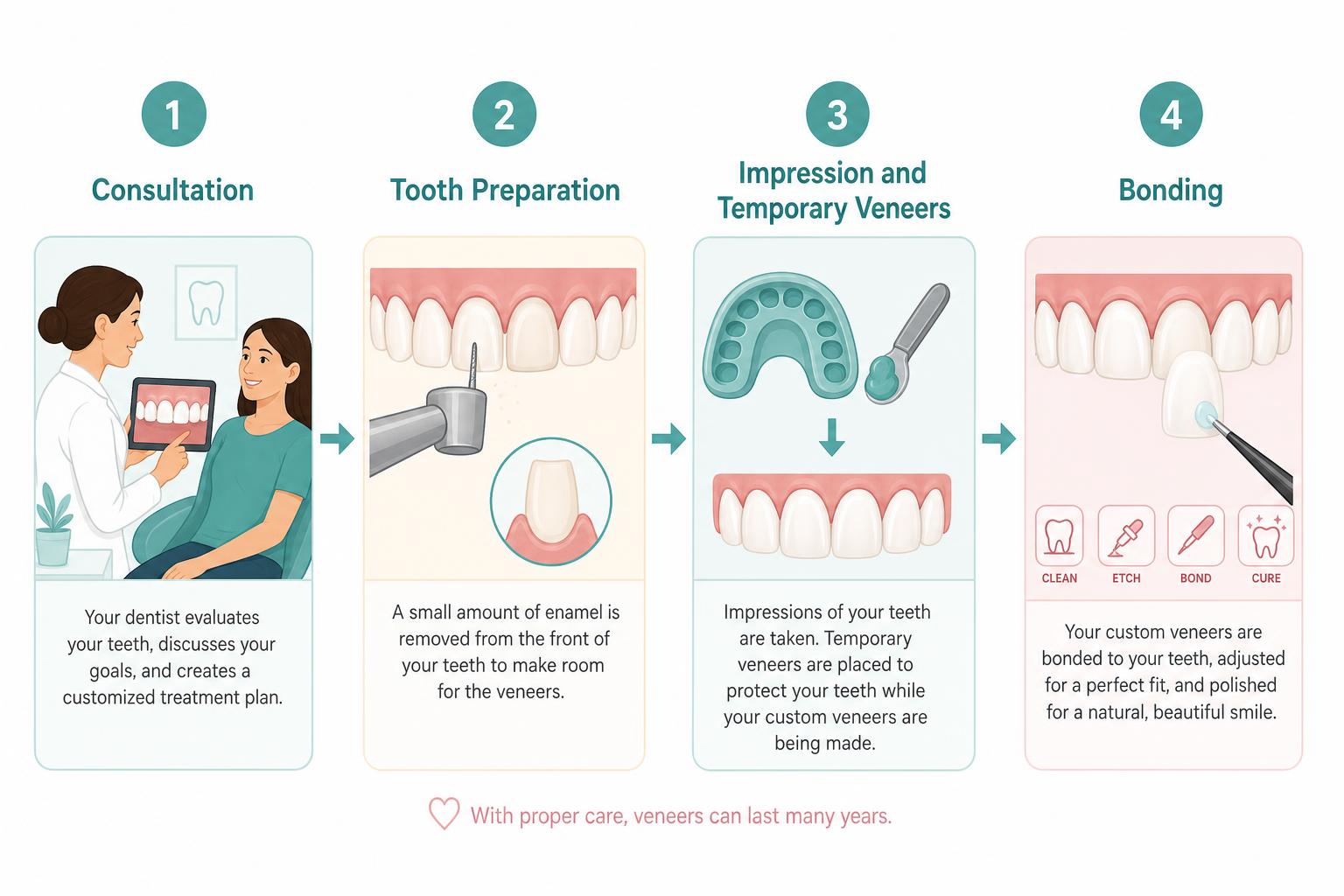
Step 1: Consultation and Planning
At the first appointment, the dentist looks at the teeth you want treated and talks through what you are hoping to achieve. This is a clinical conversation, not a sales one. The health of your gums and enamel is checked, your bite is assessed, and what is realistically achievable with veneers is explained honestly. Photographs are taken, and sometimes impressions or a digital scan, depending on how much planning your case needs.
This is also where material choice is discussed — porcelain or composite — along with shade selection and the number of teeth being treated. If anything needs addressing first, like a filling or a hygiene appointment, that is planned here before any veneer work begins. Some patients arrive with a clear picture of what they want; others are not sure. Both are fine starting points.
Step 2: Tooth Preparation
The preparation appointment is the most significant stage in the whole process. A very fine layer of enamel — typically less than half a millimetre — is removed from the front surface of each tooth receiving a veneer. This creates space for the veneer to sit flush against the adjacent teeth without looking or feeling bulky.
Is the veneer preparation painful?
Most patients experience very little discomfort. Local anaesthetic is used to numb the area thoroughly before any enamel is touched. Some tooth sensitivity during the process is normal, but pain is not what most patients experience. The enamel removed at this stage does not grow back; this is the step that makes the overall decision permanent, which is why it should never feel rushed.
Step 3: Impressions and Temporary Veneers
Once the teeth are prepared, the dentist takes a record of the new surface — either a physical impression or, in many practices now, a digital scan. That record goes to the dental laboratory where the porcelain veneers are custom-fabricated to fit precisely.
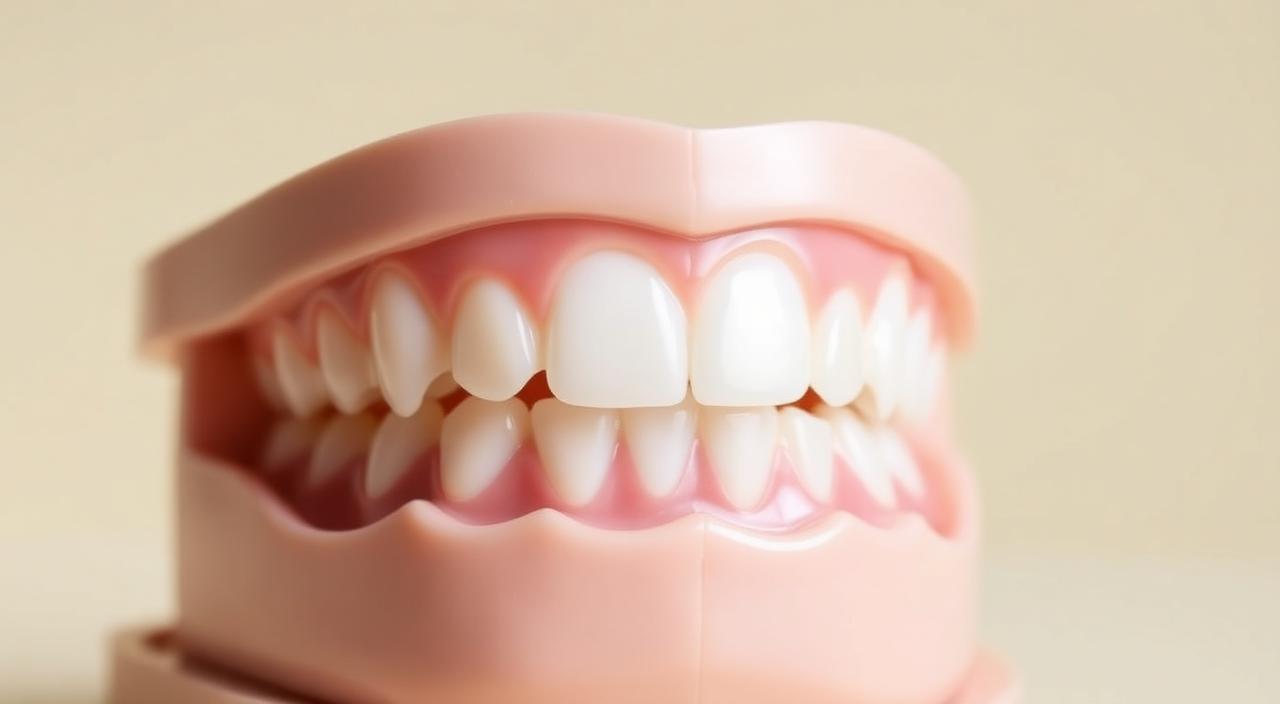
The lab typically takes one to two weeks. In the meantime, temporary shells go on the prepared teeth. They are not the finished product; they will not look as refined and can feel a little different in texture — but they serve two important purposes: protecting the enamel that has been trimmed, and giving you a rough preview of the overall shape before the permanent veneers are confirmed. Treat the temporaries carefully. Avoid hard or sticky foods and floss gently around the margins rather than forcing down into them.
Step 4: The Bonding Appointment
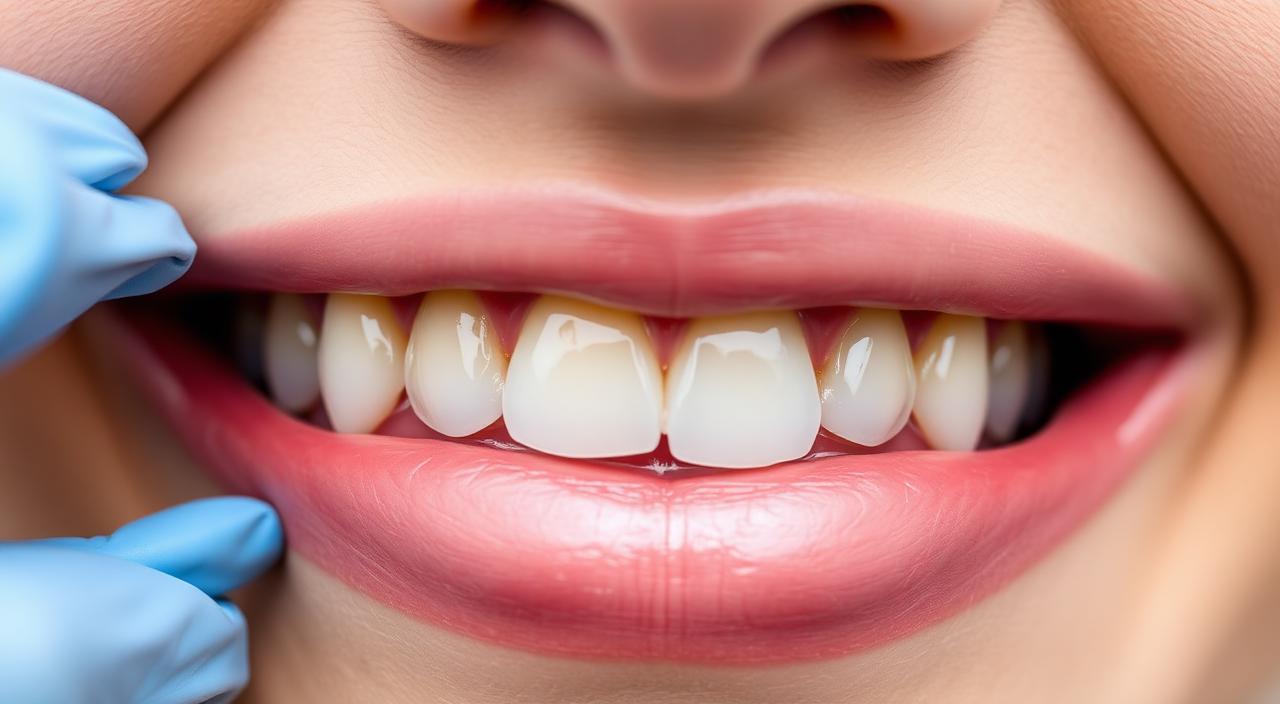
This is the appointment most patients look forward to. The temporaries come off, the teeth are cleaned, and before any cement is used, each permanent veneer is placed against the tooth to check fit, colour, and how the shape reads across the full smile together. This is still an adjustable stage — if something looks slightly off, it can be corrected before bonding begins. Most patients are pleasantly surprised by how much the dentist takes time here before committing to cement.
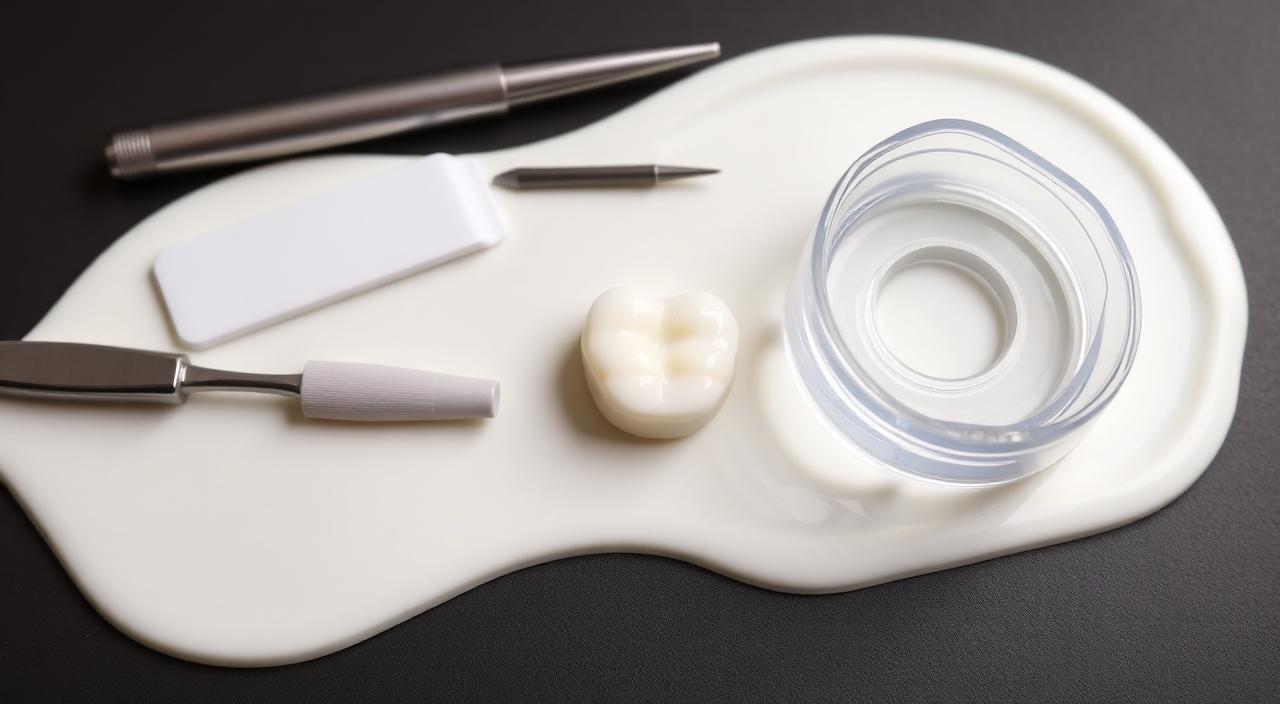
An etching gel is applied to the prepared tooth surface, then a bonding primer. The cement is applied to the veneer, it is pressed into position, and a curing light hardens the bond within seconds. Any excess cement is cleaned away and the bite is checked carefully before you leave.
How Many Appointments Do Veneers Take?
For porcelain veneers, the typical process involves three appointments: the consultation, the preparation and impression appointment, and the bonding session. Some practices combine the consultation and preparation into a single visit if everything is straightforward and no prior treatment is needed.
For composite veneers, the process is entirely different. Everything happens in a single appointment: the dentist sculpts the resin directly onto the teeth and polishes it in one sitting. There is no lab stage and no waiting period. This is both the main advantage and the main limitation of composite.
How Long Does It Take to Get Veneers Fitted?
Each individual veneer takes around 15 to 30 minutes to bond. If you are having multiple veneers placed in one session, the appointment can run for two to three hours. This is completely normal. Most of that time is spent checking fit, shade, and bite before the final cement is applied. Good cosmetic dentistry is not rushed; precision at this stage is what separates a result that lasts from one that needs revisiting.
After the Appointment
Some mild sensitivity to hot and cold in the days after bonding is common and expected. This settles within a week or two for most patients. Avoiding very hard foods for the first few weeks and not biting directly into things like hard crusts helps the bond stabilize during this settling period. If the bite feels uneven after a few days of normal eating, a quick follow-up appointment usually resolves it without any further work.
Key Takeaways
Porcelain veneers involve three appointments — consultation, preparation, and bonding — spread over two to four weeks. Composite veneers are completed in a single visit with no laboratory stage. Preparation is carried out under local anaesthetic so significant discomfort is not typical. Temporary shells protect the prepared teeth between appointments and give an early preview of the final shape. Some sensitivity after bonding is normal and usually settles within one to two weeks without any additional treatment needed.
Related reading
Frequently Asked Questions
The Dental Roots Editorial Team
Written by our panel of specialist dentists & patient educators