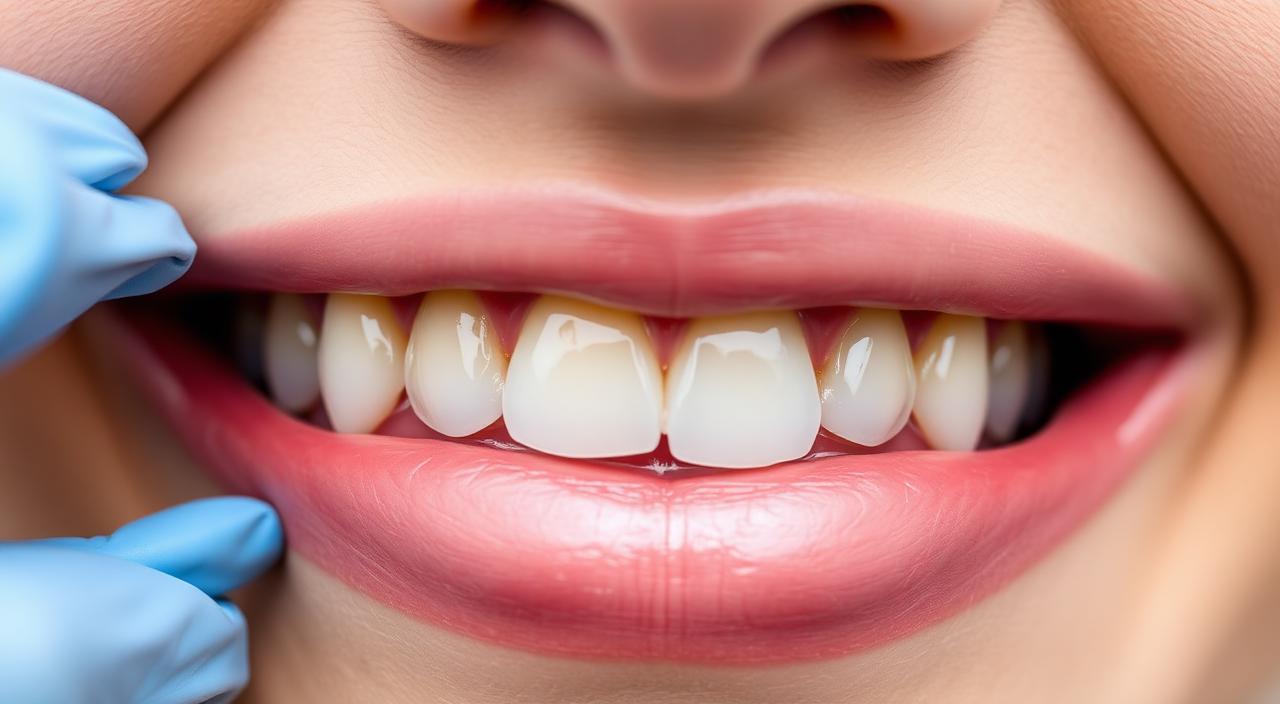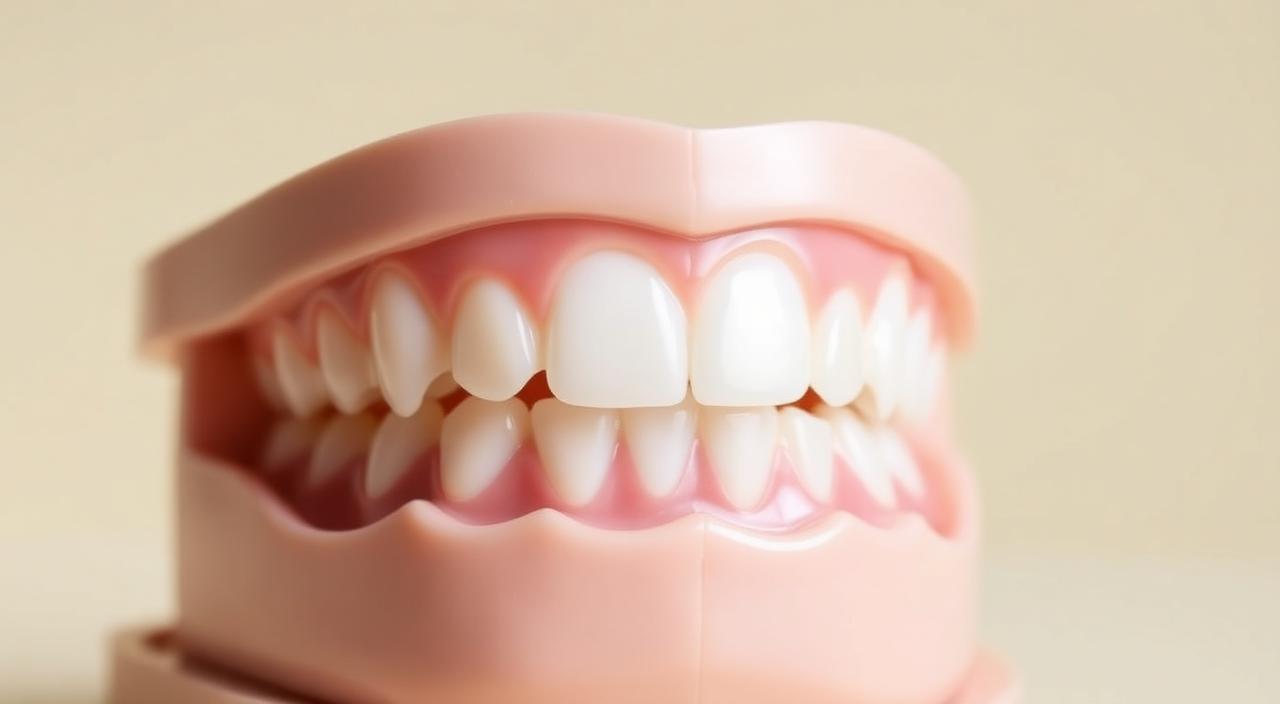
Dental veneers are thin shells usually made of porcelain or composite resin bonded directly onto the front surface of your teeth. They improve colour, shape, size, or length without touching the structure underneath. Most people who come to us for a smile makeover find that veneers solve problems that whitening or braces simply cannot address on their own.
What Problems Can Dental Veneers Fix?
Veneers work across a fairly wide range of cosmetic concerns. The most common ones we see at consultation are:
- Teeth permanently discoloured and unresponsive to professional whitening
- Chips or small cracks on visible front teeth
- Slight gaps between teeth
- Teeth that look too short, too small, or uneven
- Minor shape irregularities affecting the overall appearance of the smile
They are not a structural fix. A severely broken tooth or one with active decay needs a crown or other restoration first. Veneers sit on top of healthy tooth structure — they do not repair what is compromised underneath. That distinction is worth keeping in mind when considering whether they are the right option for your situation.
What Are Dental Veneers Made Of?
Two materials are used most often: porcelain and composite resin. Each suits different situations and comes with its own set of trade-offs.
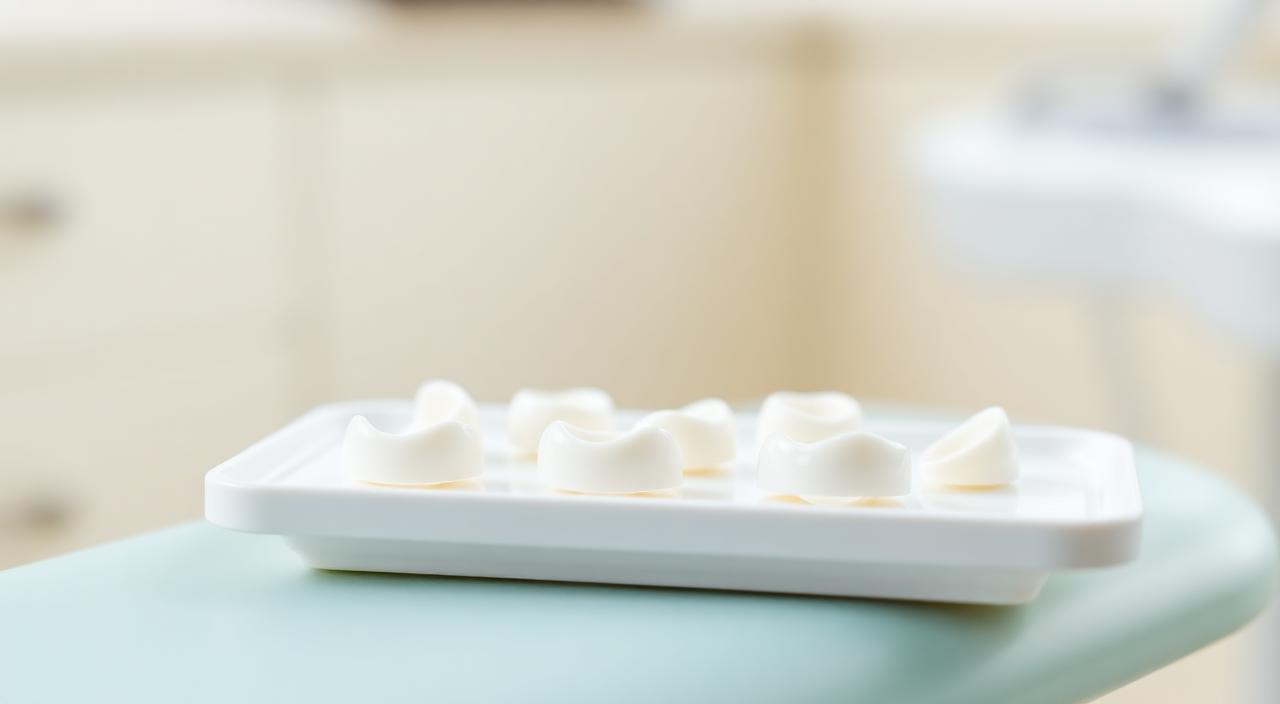
Porcelain veneers are fabricated in a dental laboratory as thin ceramic shells. The material is translucent, catching light the way natural tooth enamel does. That quality is a big part of why porcelain tends to look the most lifelike and why it remains the first choice for patients who want the most natural-looking and longest-lasting result.
Composite veneers use tooth-coloured resin applied directly onto the tooth at the chair. No laboratory stage is involved, which means the entire process is faster and typically less expensive. The trade-off is that composite is softer, stains more readily over time, and usually needs replacing sooner than porcelain.
How Are Veneers Attached to Teeth?
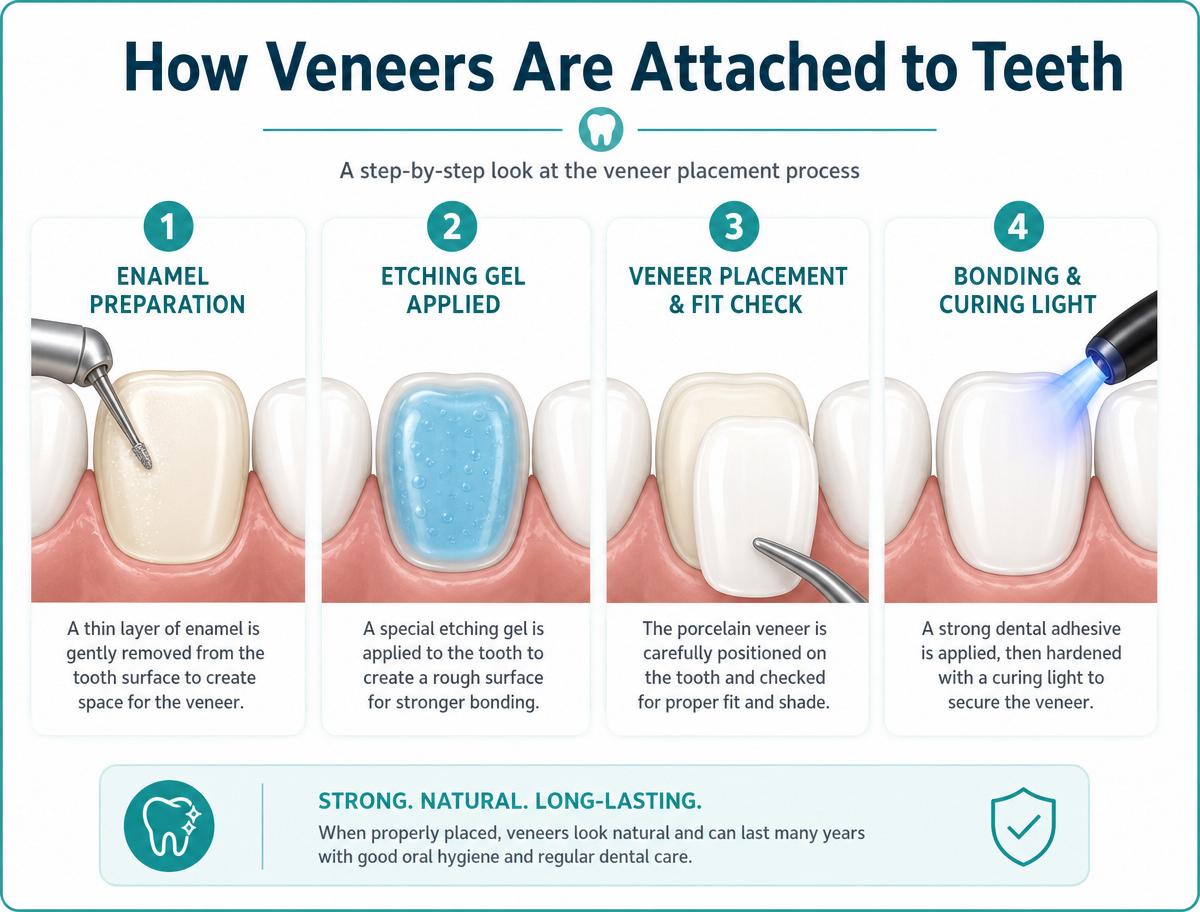
The bonding process is straightforward. A very small amount of enamel is removed from the front of the tooth — typically less than half a millimetre — to create space for the veneer to sit flush. An etching gel roughens the surface slightly so the bonding cement grips properly. The veneer is seated, checked for fit and shade, cemented in place, and hardened with a curing light. Once cured, it behaves as part of the tooth.
That enamel removal is permanent. Once the surface is prepared, the tooth will always need some form of covering. This is one of the most important things to understand before agreeing to treatment — not because it is harmful, but because the decision cannot be undone.
Do Veneers Look Natural?
When planned and made well, yes — entirely. Shade, translucency, tooth length, and overall shape all factor into a good result. We also consider how the teeth relate to the lip line, gum level, and face proportions. A veneer that works is one nobody notices.
A fair concern patients raise is whether veneers will look too white or too uniform. It is worth discussing honestly before treatment begins. The goal is always a smile that suits the individual, not a generic bright-white result that reads as obvious dental work from across a room.
Shade matching is more nuanced than most patients expect. The goal is not to make every tooth identical; natural teeth have slight variation in tone across the mouth, and replicating that variation is part of what makes a result look real. A dentist who understands this will spend time on shade selection rather than simply picking the brightest option available.
What Is the Veneer Lifespan?
Porcelain veneers generally hold up well for 10 to 15 years. Some patients keep theirs considerably longer. Others need attention sooner — it comes down to individual habits more than anything else. Someone who grinds their teeth overnight places far more stress on a veneer than normal daily use ever would. Composite veneers tend to need repair or replacement within five to seven years, partly because the resin is softer and more porous than ceramic.
Oral hygiene plays a bigger role than most patients expect. The veneer itself cannot decay, but the natural tooth underneath it can. Gum recession around the margins changes the long-term appearance. Regular check-ups catch small issues before they become significant ones; that pattern of maintenance is what separates veneers that last 10 years from those that need replacing at seven.
Are Veneers Right for You?
Veneers work best when the teeth underneath are healthy and your goals match what cosmetic dentistry can realistically achieve. Compromised gums or insufficient enamel need addressing before any veneer treatment begins. How much enamel remains, your bite stability, and your gum health all factor into candidacy. The only reliable way to know is a proper clinical assessment. Most patients who ask about veneers are not sure whether they qualify — a consultation can answer that question clearly, without committing you to anything.
Key Takeaways
Dental veneers are thin porcelain or composite shells bonded to the visible surface of teeth to change how they look. Porcelain ages better and resists staining more effectively; composite is faster and cheaper but needs more frequent attention. Both involve removing a small amount of enamel — a permanent change regardless of which material is chosen. Veneers suit cosmetic concerns on structurally healthy teeth: discolouration, chips, gaps, and uneven shape. Planned well, the result looks like your own smile at its best — not like something that has been done to your teeth.
Frequently Asked Questions
The Dental Roots Editorial Team
Written by our panel of specialist dentists & patient educators