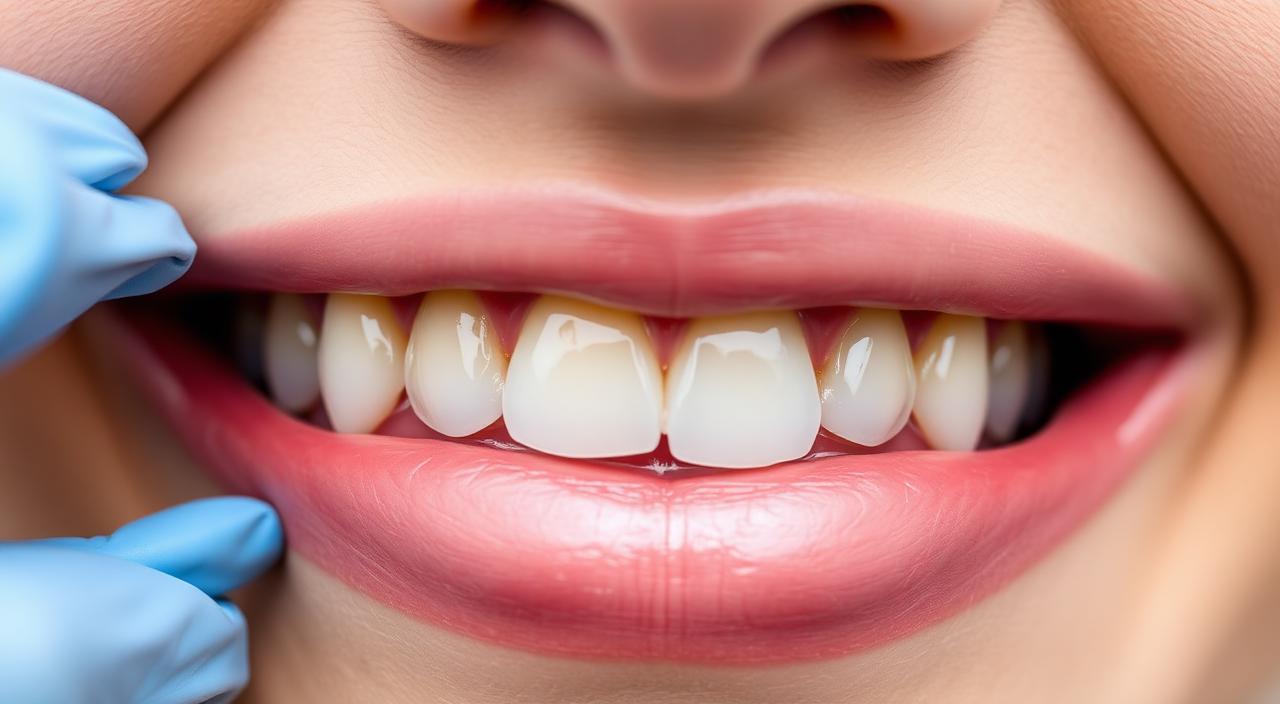

Veneer candidacy is something we assess carefully before recommending any treatment. A veneer placed on the wrong tooth, or in the wrong mouth, tends to fail sooner than it should — and sometimes causes problems that did not exist before. The decision is not complicated, but it does depend on a few specific factors that are worth understanding before you book a consultation.
The Basic Requirements for Veneers
Three things matter most: the health of your gums, the amount of enamel you have, and your bite. If all three are in reasonable shape, veneers are usually a viable option.
Veneer eligibility starts with healthy gums. Any active gum disease, even mild gingivitis, needs to be treated before veneers are placed. Inflamed or receding gums change over time, and a veneer placed on a tooth with unstable gum support may eventually look uneven or have exposed margins.
Enamel Requirements for Veneers
You need sufficient enamel for veneers to bond properly. The procedure involves removing a very thin layer from the tooth surface — typically less than half a millimetre. If your enamel is already thin due to acid erosion or previous dental work, there may not be enough surface left to support a veneer safely.
Patients who have heavily worn enamel due to dietary acids or chronic dry mouth often face this limitation. A dental examination and sometimes X-rays will show how much enamel is available.
Can I Get Veneers If I Grind My Teeth?
Teeth grinding — clinically called bruxism — is one of the most common reasons veneers fail early. The forces generated during grinding can fracture ceramic and cause composite to wear unevenly. That does not mean grinding automatically disqualifies you, but it does mean the issue needs to be managed.
Many patients with mild to moderate bruxism can still get veneers. They are typically advised to wear a custom night guard to protect the veneers during sleep. When grinding is more significant — visible wear on multiple teeth, morning jaw pain, or a pattern of fracturing restorations — it usually makes sense to address that first. Placing veneers into an unmanaged grinding habit shortens their lifespan considerably, and neither the patient nor the dentist benefits from that outcome.
Bite Alignment and Veneers
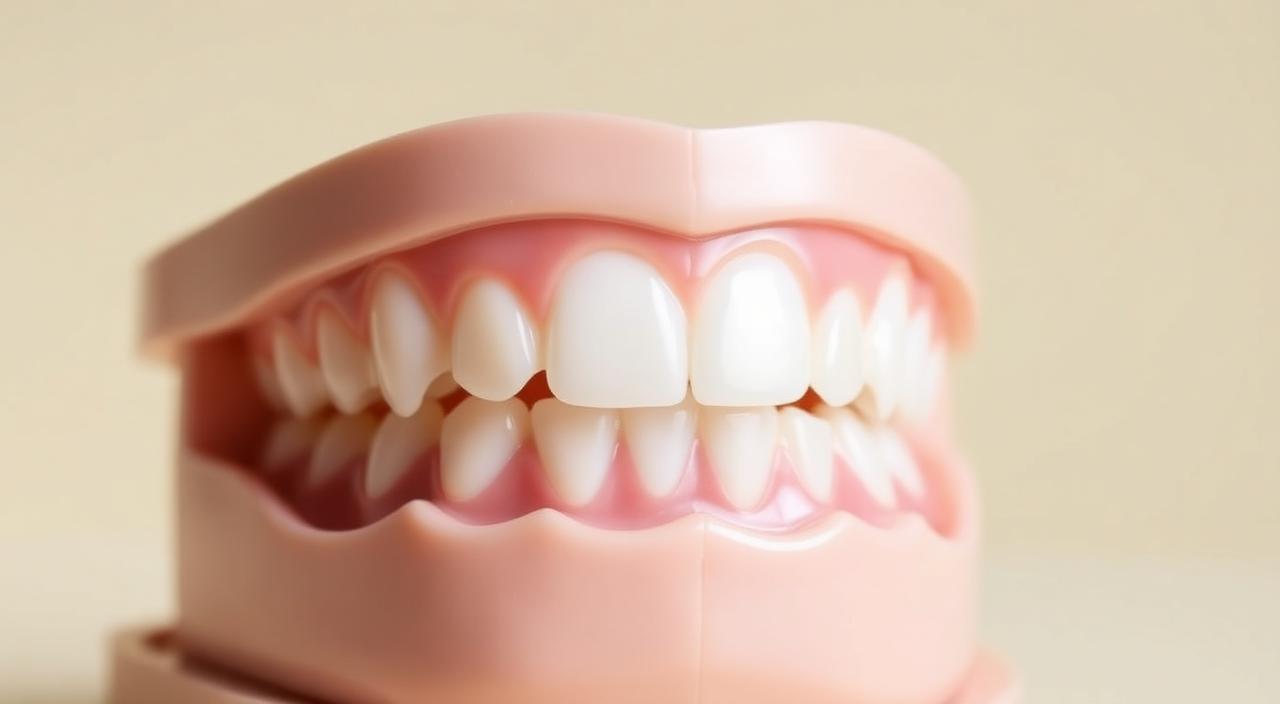
Bite alignment matters because veneers placed on teeth with a misaligned bite are under more stress than they should be. Patients with significantly misaligned bites may need orthodontic treatment first. This does not mean perfect symmetry is required — it means the way your upper and lower teeth meet should not be placing excessive force on the veneered surfaces.
What Disqualifies You From Getting Veneers?
There are clear situations where veneers are not appropriate:
- Active tooth decay — any decay needs to be treated first
- Untreated gum disease
- Very little remaining enamel
- Teeth that are severely misaligned — orthodontics may be more appropriate
- Habits like pen chewing, nail biting, or using teeth as tools that create undue pressure
Patients who are not yet ready for veneers are not out of options. Dental bonding, whitening, or orthodontic treatment may be more suitable entry points.
Can Veneers Fix Severely Crooked Teeth?
Veneers can address mild crowding and minor alignment issues. A tooth that sits slightly out of line, or sits fractionally forward of its neighbours — that kind of subtle irregularity is exactly what a veneer handles well. The visual result changes the way the smile reads without touching the underlying position of the tooth.
Significant crowding is a different matter. Placing veneers on severely crooked teeth puts the bonded surfaces under uneven stress, and the failure rate reflects that. Braces or aligners first — then veneers — tend to give a much more stable and lasting outcome.
A common misconception is that veneers can replace the function of braces. They cannot, and trying to use them that way causes more problems than it solves.
Who Is the Ideal Veneer Candidate?
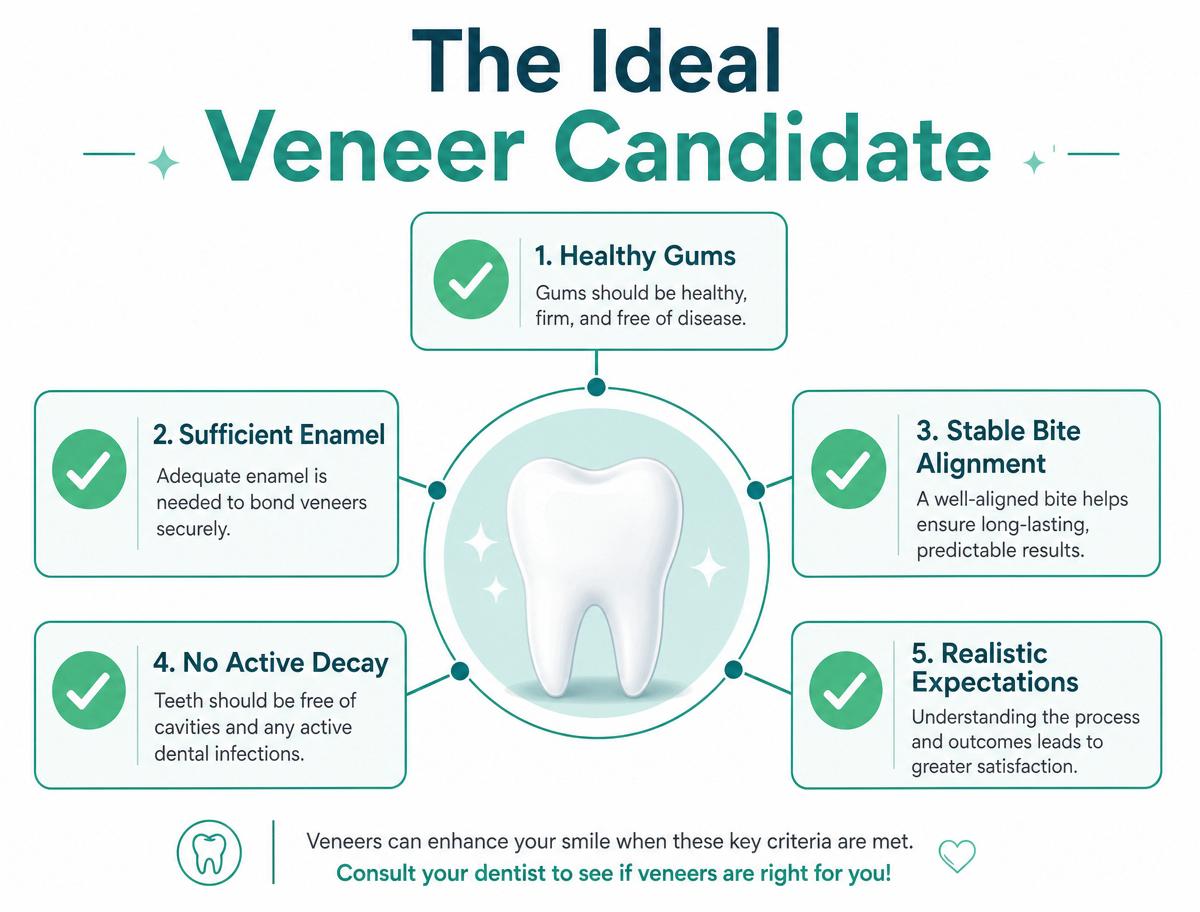
The best outcomes we see are in patients whose teeth and gums are fundamentally healthy, who have enough enamel for a secure bond, and whose bite is not creating unusual force on the front teeth. Beyond the clinical side, what also makes a difference is going in with a realistic picture of what the treatment involves — including the permanence of the enamel change and the ongoing commitment to upkeep.
Patients who understand those things tend to be happy with the results long-term. The ones who are not usually had expectations that were not aligned with what veneers can actually do.
Key Takeaways
Healthy gums and enough enamel are the two things that matter most before veneers become an option. Grinding does not automatically rule you out — it just needs to be managed, usually with a night guard before or alongside treatment. Active decay and untreated gum disease always need to be resolved first. Teeth with significant crowding are better served by orthodontics before veneers are considered. And none of this can be confirmed without an in-person assessment — an examination and often X-rays are the only way to know where you actually stand.
Frequently Asked Questions
The Dental Roots Editorial Team
Written by our panel of specialist dentists & patient educators